Manufacturer vs Trading Company in China: 7 Forensic Red Flags + When to Use Each
- Share
- publisher
- RND Sourcing Team
- Issue Time
- Aug 16,2026
Summary
A forensic guide to distinguishing real Chinese manufacturers from trading companies, with 7 red flags, a Baidu Maps + GSXT verification method, and a framework for choosing the right partner.
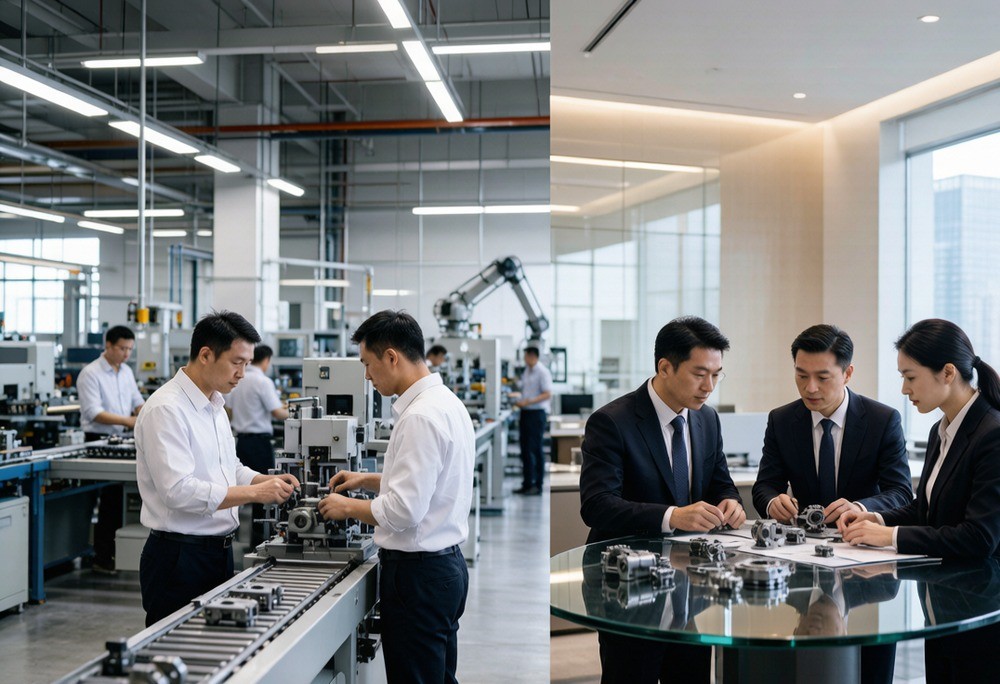
Manufacturer vs Trading Company in China: 7 Forensic Red Flags + When to Use Each
The single most expensive mistake new importers make is paying trading-company prices while believing they are buying factory-direct. In Yiwu and Guangdong, the line between 'factory' and 'trader' is deliberately blurred. After auditing hundreds of suppliers, we have learned to spot a trading company wearing a factory's clothes in minutes. This guide gives you the seven forensic red flags, the verification method we use on every audit, and a clear framework for when each model actually makes sense.
The Question Everyone Asks First
Buyers open with 'Are you a factory or a trading company?' — the one question a trader is trained to answer 'yes' to. The useful question is different: for my specific product, at my order volume, who can deliver the best total landed cost and lowest risk? That answer sometimes is a trader, and sometimes is a factory. Your job is to know which one you are actually talking to.
Manufacturer vs Trading Company — The Real Difference
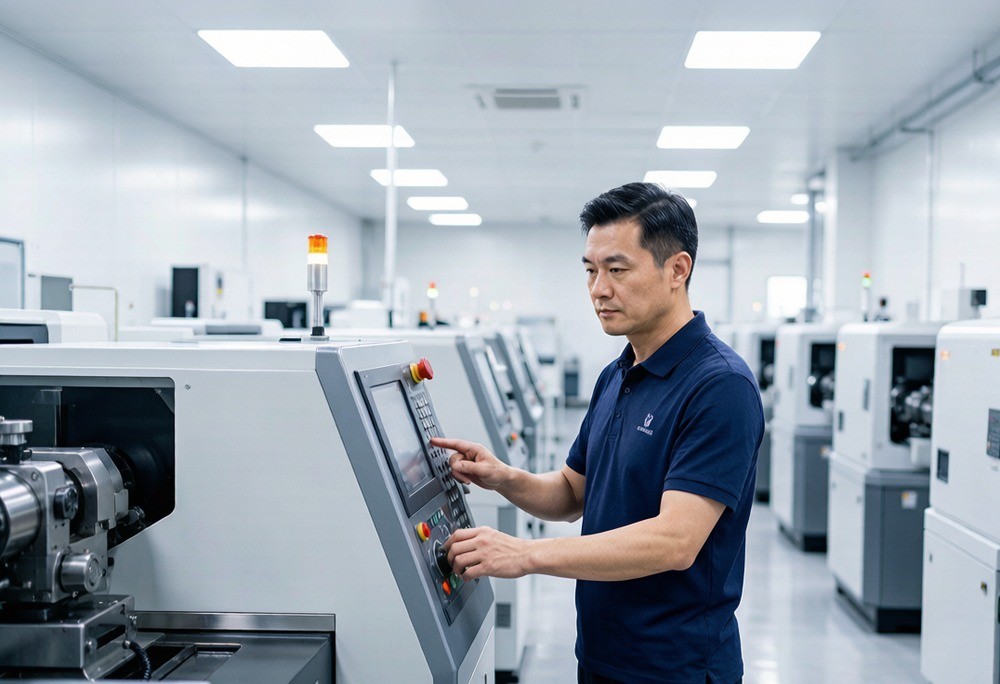
A manufacturer owns production: the line, the workers, the tooling. A trading company sources from one or many factories and resells, adding margin for the service. Neither is 'bad' — but a trader charging factory prices while claiming factory status is fraud, and a factory forced to handle your small mixed order may be slower and pricier than a good trader. The goal is transparency, not a label.
7 Forensic Red Flags That Reveal a Trader in Manufacturer's Clothing
- The business license name ends in 'Trading Co., Ltd' or 'Import & Export Co.' yet they claim to be a factory.
- The registered address is a co-working space, creative park, or office tower — not an industrial zone.
- They refuse a live video tour, offering only a polished pre-recorded 'factory' clip.
- Their MOQ is suspiciously flexible across wildly different product categories.
- Engineering questions get deferred to 'our engineer will reply' and never quite do.
- They cannot name the specific machines or production steps they own.
- The 'factory photos' show a signboard that doesn't match the registered company name.
The Borrowed-Signboard Trick
The most common deception we see in Yiwu: a trading company photographs itself in front of a real factory's signboard — sometimes a factory they have never actually produced with. They borrow the credibility of a building they rent a desk near. The fix is to confirm the signboard's company name matches the registered unified social credit code, and that the line behind it actually makes your product category.
Photos lie; registries don't
Always reconcile the signboard name, the business license, and gsxt.gov.cn. A mismatch on any one of the three is a walk-away signal. RND reconciles all three on every audit — see our categories.
How to Verify on Baidu Maps & GSXT

Verification is cheap and fast if you know the path. Pull the unified social credit code, then check three things in parallel.
Check GSXT
Open gsxt.gov.cn, enter the social credit code, and confirm the company is active and the business scope includes manufacturing (not just 'trading').
Map the address
Paste the registered address into Baidu Maps. An industrial-zone pin supports a factory claim; an office-park pin supports a trader.
Reconcile the name
Confirm the physical signboard matches the registered name. A mismatch means a borrowed or fake identity.
The ~30% Markup Reality
Trading companies in China typically add 10–30% margin on top of factory cost. That is not theft — it covers sourcing, QC, consolidation, and risk. The problem is only when you pay that margin while being told you are buying direct, and when the trader's QC is weaker than a real factory's. Know the markup, and decide if the service is worth it.
A Decision Framework: When to Use Which
Stop asking 'factory or trader?' and start asking 'which model fits this order?' Use the framework below.
| Your situation | Better choice | Why |
|---|---|---|
| Large single-category order, technical product | Manufacturer | Direct engineering, lower unit cost, mold control |
| Small mixed-SKU order across categories | Trading company or agent | Consolidation and one PO beat many factories |
| Need strict QC but lack local presence | Manufacturer + 3rd-party inspection | Factory owns quality; audit independently |
| First-time importer, low volume | Sourcing agent (hybrid) | Gets factory pricing with trader-like hand-holding |
The Hybrid: Factory-Direct Through an Agent
The model most first-time and mid-size importers actually want is the hybrid: an agent (like RND) sources from real factories, negotiates factory pricing, consolidates mixed orders in Yiwu, and runs independent inspection. You get factory cost without becoming a procurement department. The agent's incentive must be transparent — a fixed fee or a declared margin, never a hidden trader spread.
Ask how your partner gets paid
Whether factory or trader, ask exactly how they profit. A transparent agent with a declared fee is lower-risk than a 'factory' with a hidden 30% spread. Start with our inquiry form.
Sample Vetting SOP (Condensed 11 Steps)
Our full supplier-vetting SOP runs eleven steps; the condensed version that catches most problems:
Collect 3 candidates
From platforms plus agent networks, require social credit codes up front.
Reconcile identity
GSXT + Baidu Maps + signboard name match.
Request live tour
Real-time video of the line making your category.
Order blind samples
From all three; inspect independently.
Verify certificates
Match test reports to the exact product, not a sibling SKU.
Run a trial order
Small batch with pre-shipment inspection before scaling.
Conclusion
Factory or trader is the wrong question. The right one is whether you know who you are paying, what margin they add, and whether they can prove their claims. Reconile the three records, watch for the seven red flags, and use the decision framework. To source factory-direct with agent transparency, contact RND Sourcing in Yiwu.
How can I tell if a Chinese supplier is a real factory?
Reconcile three records: the business license name, the GSXT registry (gsxt.gov.cn), and the physical signboard. A factory should have an industrial-zone address and be able to do a live video tour of the line making your product.
Is it bad to use a Chinese trading company?
Not at all — traders add 10–30% margin for consolidation, QC, and risk handling, which is fair for small mixed orders. The problem is only paying trader margins while being told you are buying factory-direct.
What is the borrowed-signboard trick?
A trading company photographs itself at a real factory's signboard to imply it owns the plant. Verify the signboard's company name matches the registered social credit code and that the line makes your category.
When should I use a sourcing agent instead of a factory?
If you are a first-time or mid-volume importer with mixed SKUs and no local team, an agent gives you factory pricing with trader-like consolidation and independent inspection — the lowest-risk hybrid.
Know who you pay, what they add, and whether they can prove it. Run the seven red flags and the three-record check on every supplier. Send us your brief and RND will source factory-direct from Yiwu with full transparency.