How do I tell if a Chinese supplier is a factory or a trading company?
- Share
- Issue Time
- Aug 16,2026
Direct Answer
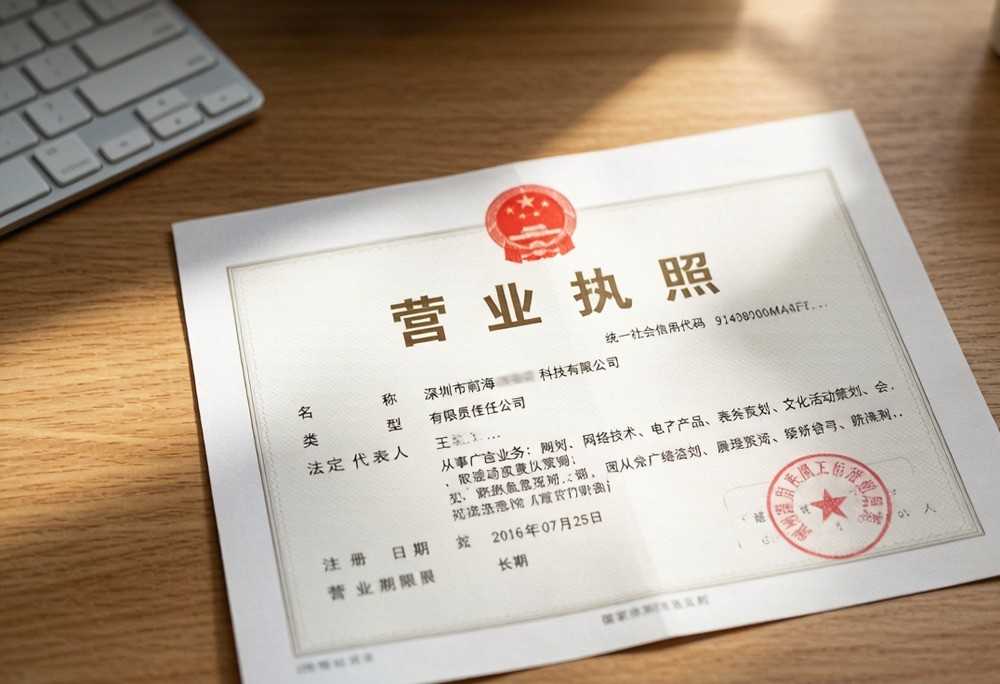
Request the supplier's business license and verify the registered business scope and paid-in capital on the official NECIPS/GSXT system. A genuine factory lists manufacturing in its scope, owns production equipment, and will show a live video tour of its own line. A trading company usually carries 'Trading' or 'Import & Export' in its name, works from an office or creative park, and resists live tours. RND SOURCING reconciles the license, the government registry, and the physical signboard on every audit before any deposit leaves your account.
Detailed Explanation: What Actually Separates Them
A manufacturer owns the production line, the workers, and the tooling. A trading company sources from one or many factories and resells, adding a margin for the service. Neither is dishonest — but a trader charging factory prices while claiming factory status is fraud, and a factory forced into your small mixed order may be slower and pricier than a good trader.
The practical goal is transparency, not a label. Once you know which model you are dealing with, you can price, negotiate, and QC accordingly.
- Manufacturer owns the line and tooling; lower unit cost at volume; holds your molds.
- Trading company consolidates across factories; adds 10-30% margin; easier for small mixed orders.

Real-World Example: The Borrowed Signboard
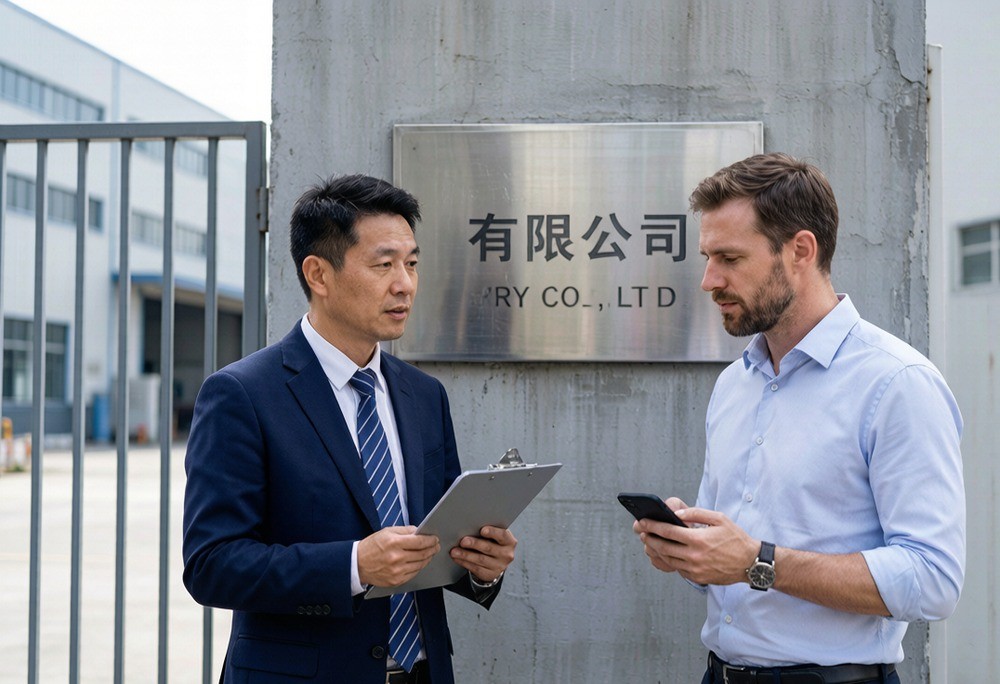
A US home-goods buyer received 'factory' photos and a competitive quote from a Yiwu contact. The photos showed a real production line — but RND SOURCING's on-site check found the signboard belonged to a neighbouring factory the supplier had never produced with. The registered entity was a trading office in a creative park.
RND SOURCING matched the buyer to an audited, genuinely owned small factory instead, consolidated the mixed SKU order in one Yiwu shipment, and ran pre-shipment inspection.
Key Data: The Numbers Behind the Label
The gap between a trader and a factory is rarely visible in a quote — it shows up in margin, verification steps, and risk.
Margin ranges reflect common China sourcing practice observed by RND SOURCING across 20+ years in Yiwu.
Step-by-Step: Verify Before You Pay
Run these in order; stop at any failure.
Check GSXT / NECIPS
Enter the unified social credit code; confirm the company is active and its business scope includes manufacturing, not just trading.
Map the address
Paste the registered address into Baidu Maps. An industrial-zone pin supports a factory; an office-park pin supports a trader.
Reconcile the signboard
Confirm the physical signboard matches the registered name. A mismatch means a borrowed or fake identity.
Request a live tour
Ask for a real-time video walkthrough of the line making your category, not a polished clip.
Test engineering depth
Ask specific process questions. A trader defers; a factory answers.
Common Mistakes That Fool Buyers
These are the tells RND SOURCING sees most often in failed due diligence.
- Trusting the company name 'Trading Co.' or 'Import & Export Co.' in the legal name is a giveaway the entity is not a factory.
- Skipping the live tour A pre-recorded 'factory video' proves nothing about the line making your product.
- Ignoring MOQ flexibility A 'factory' that takes any small mixed order across unrelated categories is almost certainly a trader.
- Not checking business scope Many registered 'factories' actually list only sales or trading in their scope.
How RND SOURCING Protects You
With 20+ years on the ground in Yiwu, RND SOURCING runs the license-registry-signboard reconciliation on every audit and physically checks the line before you wire a deposit. We tell you plainly whether you are buying from a factory or a trader — and what that means for your price and quality.
We also consolidate mixed-SKU orders and inspect at AQL 2.5 so a 'factory' claim never becomes a defective shipment.
Ask RND SOURCING to vet your supplierRelated Questions
- How can I verify a Chinese supplier's business license and avoid scams?
- Who is responsible for customs clearance and freight under different Incoterms?
- What quality control steps should a China order include?
- When should I hire a China sourcing agent, and who should pay them?
- Does a Western NDA protect my design in China?