What is container loading supervision (CLS)?
- Share
- Issue Time
- Sep 26,2026
Short Answer: An Inspector Present While Your Goods Are Loaded and the Container Is Sealed
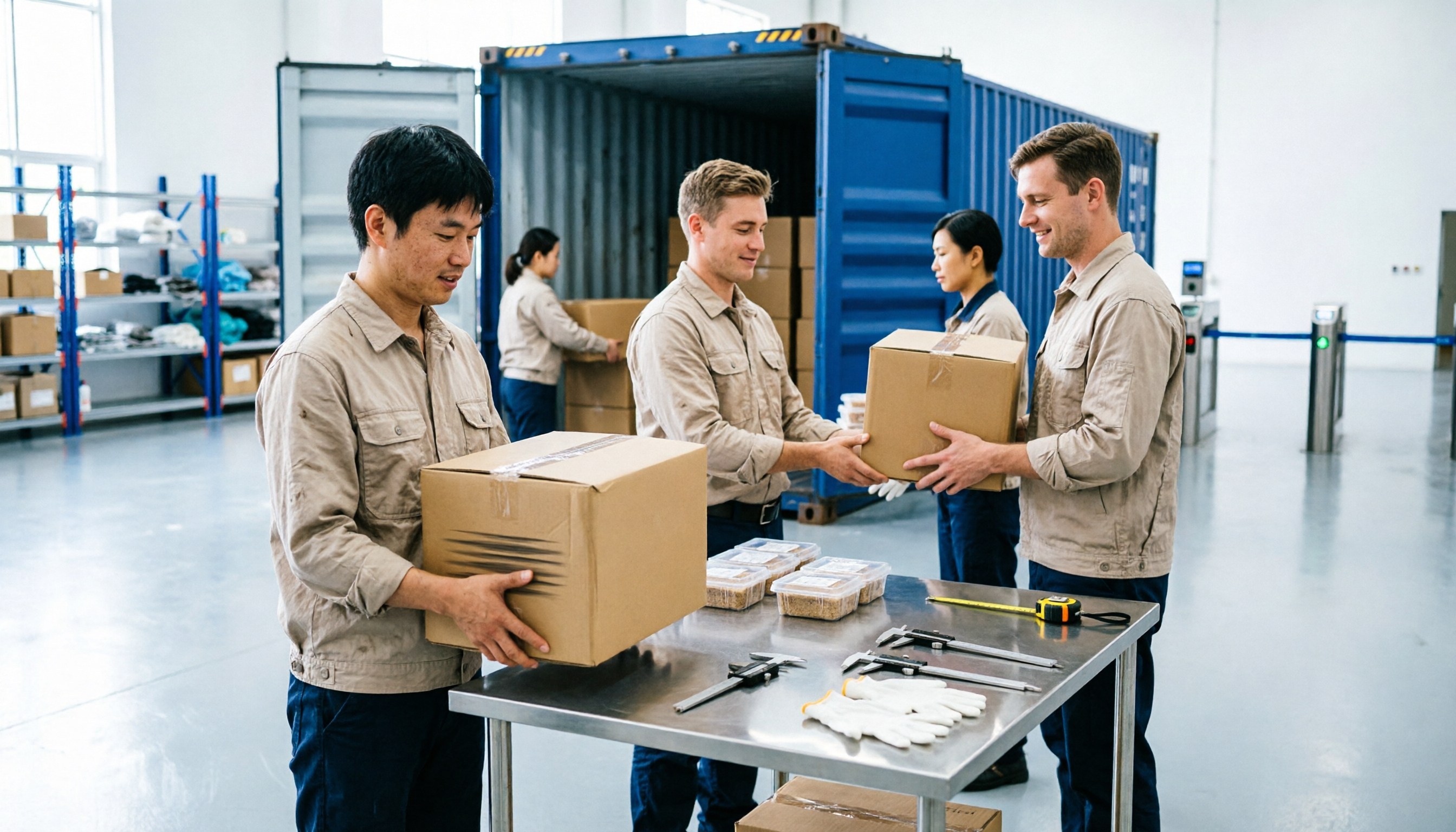
Container loading supervision places an inspector at the factory or warehouse during stuffing. They verify carton count against the packing list, confirm the correct products are going in, check the container's condition, supervise the stuffing pattern and record the seal number. It closes the gap between a passed inspection and a departed container.
The Gap CLS Exists to Close
A pre-shipment inspection certifies goods that were sitting in a warehouse on a particular day. Between that moment and the container sealing there is a window, and two specific frauds live inside it.
- Short-shipment Fewer cartons loaded than paid for. Discovered on arrival, when leverage has already gone.
- Substitution after inspection Inspected goods swapped for lower-grade stock once the inspector has left.
- Damage from bad stuffing Poor load patterns crush cartons in transit; the damage looks like carrier handling.
- A container that should not be used Holes, damp, or contamination inside a unit nobody examined before loading.
What the Inspector Actually Does
Counts cartons against the packing list
The single most valuable function, and the one that stops short-shipment.
Verifies product identity by sampling
Confirms what is in the cartons matches what passed inspection.
Inspects the empty container first
Cleanliness, watertightness, structural condition, odour.
Supervises the stuffing pattern
Load distribution, dunnage and bracing so cargo survives transit.
Records and photographs the seal
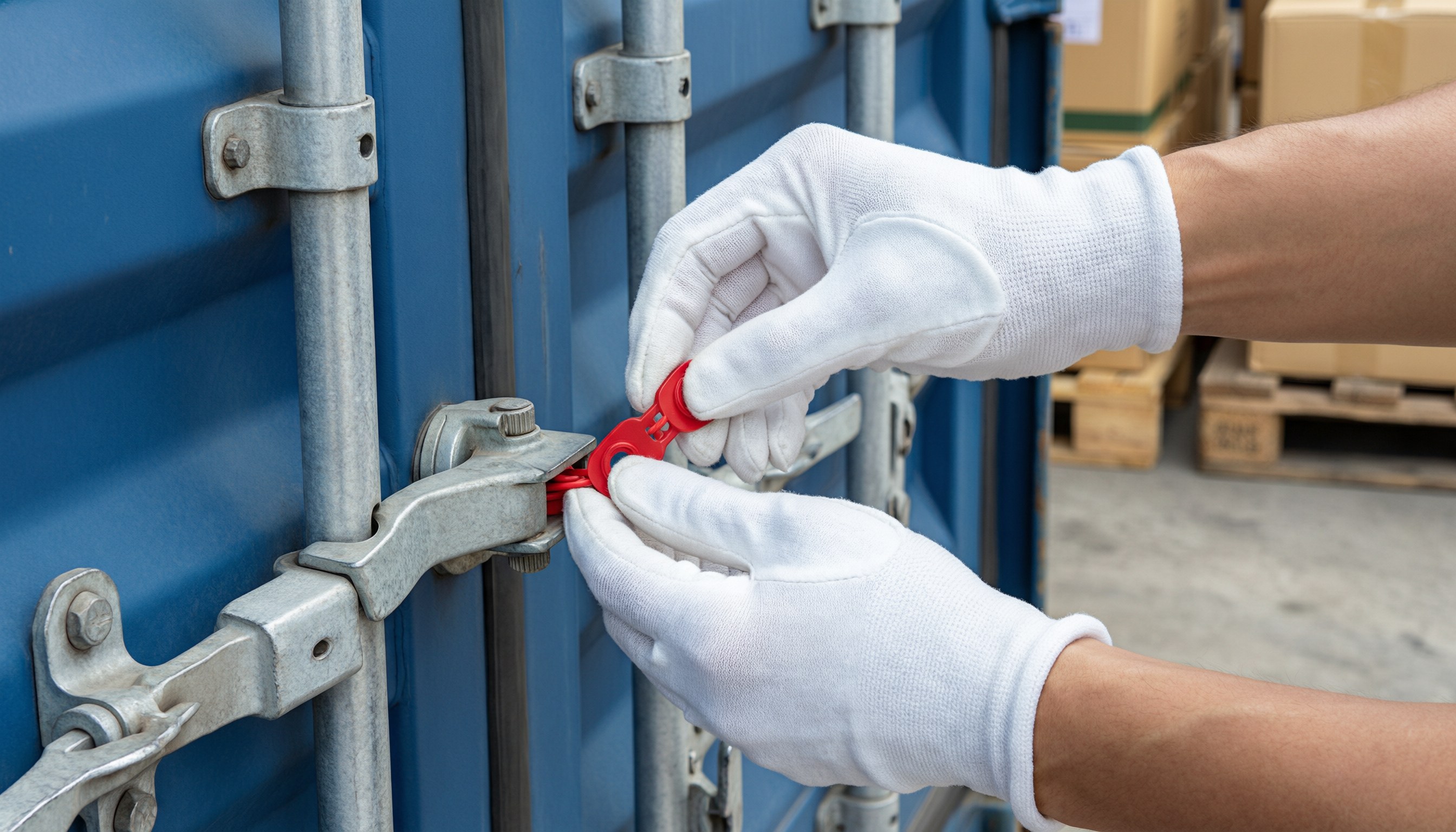
Seal number tied to the shipment documents, closing the chain of custody.
When CLS Earns Its Fee

CLS Alongside the Other Checkpoints
The three inspection types answer different questions at different moments. Together they cover the production timeline end to end.
| Checkpoint | Timing | Question it answers |
|---|---|---|
| During-production (DPI) | 15-30% complete | Is the process producing the right thing? |
| Pre-shipment (PSI) | 80%+ packed, not containerised | Are the finished goods acceptable? |
| Container loading (CLS) | At stuffing | Did the goods that passed actually get loaded? |
Case: Fourteen Cartons That Never Boarded
PSI passed cleanly. During loading supervision the inspector's count came to 606 cartons against a packing list of 620. The factory attributed it to a warehouse miscount, produced the missing fourteen within two hours and the container sealed at the correct number.
What to Require in the CLS Report
How RND SOURCING Handles Loading
When goods consolidate at our own Yiwu warehouse we supervise the loading ourselves as a matter of course, and the client receives the photographic set including the sealed door and seal number. Where the container is stuffed at a factory we do not control, we recommend booking independent supervision, because an observer paid by the party doing the loading is not really an observer. For high-value consignments we treat CLS as standard rather than optional.
Ask about loading supervisionRelated Questions
- What does a PSI checklist include?
- Should I do during-production inspection (DPI)?
- How do I verify a Chinese supplier is legitimate?