How long does shipping from China take (transit times)?
- Share
- Issue Time
- Oct 3,2026
Short Answer: Sea FCL Takes ~21-45 Days, LCL Adds 5-15 Days, Air 5-12 Days, Express 3-7 Days - Then Add Buffer
Indicative 2026 transit: sea FCL reaches the US West Coast in about 21-30 days, the East Coast 30-45, and Europe 30-45. LCL adds 5-15 days for consolidation and deconsolidation. Air freight runs 5-12 days and express courier 3-7 days but costs far more. None of these assume congestion, so Red Sea reroutes, port backups and the August-December peak can add a week or more - build buffer into every launch date.
Sea FCL Transit by Destination
These are port-to-port sailing windows for a full container, before any inland drayage or customs clearance. Shanghai to Los Angeles is the fastest major lane at 18-22 days; East Coast and Europe add routing time.
| Lane | Transit (port-to-port) | Indicative |
|---|---|---|
| Shanghai -> LA | 18-22 days | Fastest US lane |
| Shenzhen -> Long Beach | 20-25 days | Southern origin |
| Shanghai -> NY | 30-40 days | Via canal or land bridge |
| Shanghai -> Rotterdam | 30-35 days | Europe base |
| China -> N. Europe rail | 15-20 days | $2.50-4.50/kg alternative |
LCL's Hidden 5-15 Days
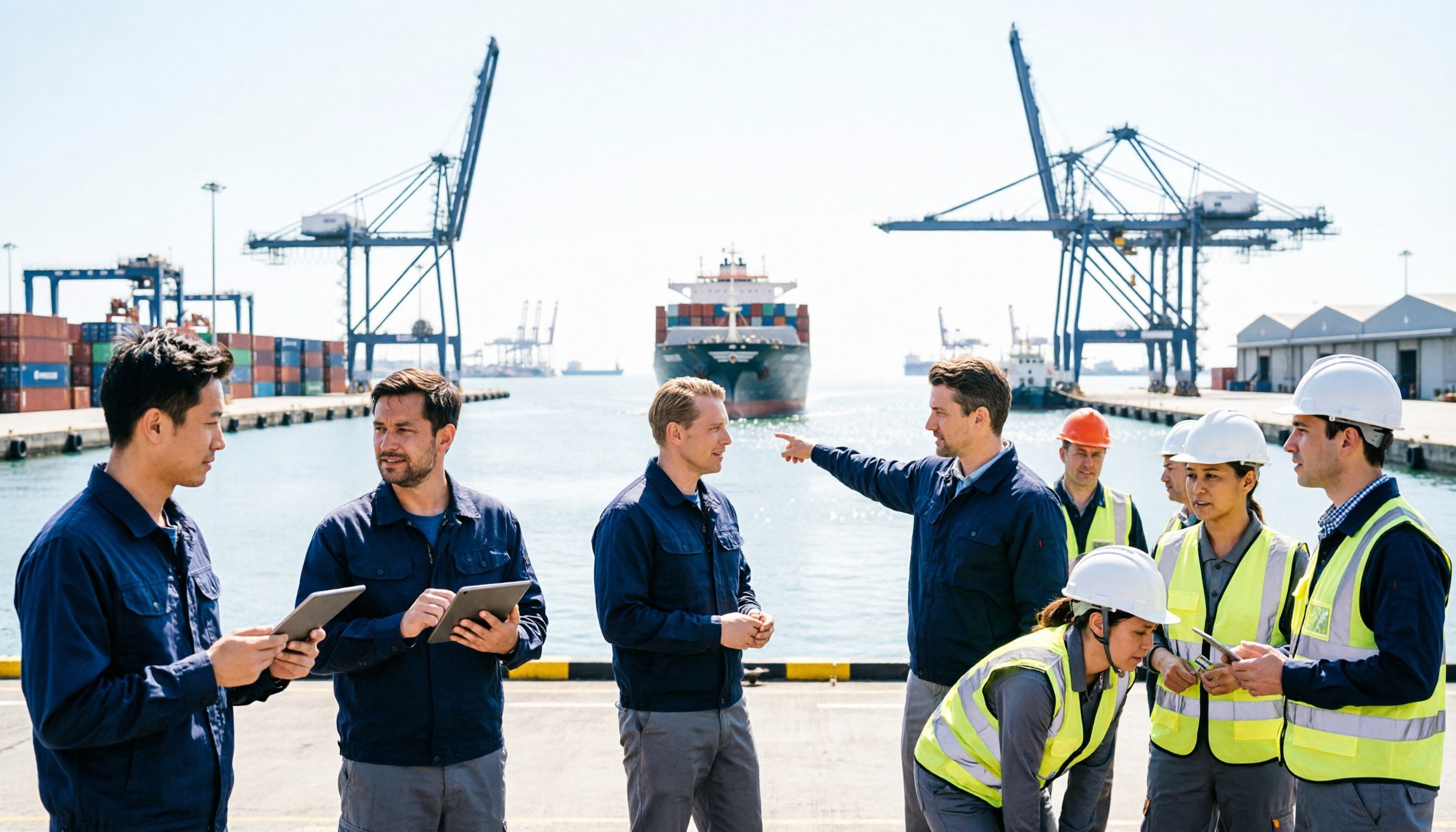
LCL is not just slower at sea - it loses time on the ground at both ends. Goods wait to be pooled with other shippers at origin and split again at destination, which adds 5-15 days on top of the ocean leg. For a US West Coast LCL that means a realistic 28-38 days door-to-port.
Air and Express When Speed Beats Cost
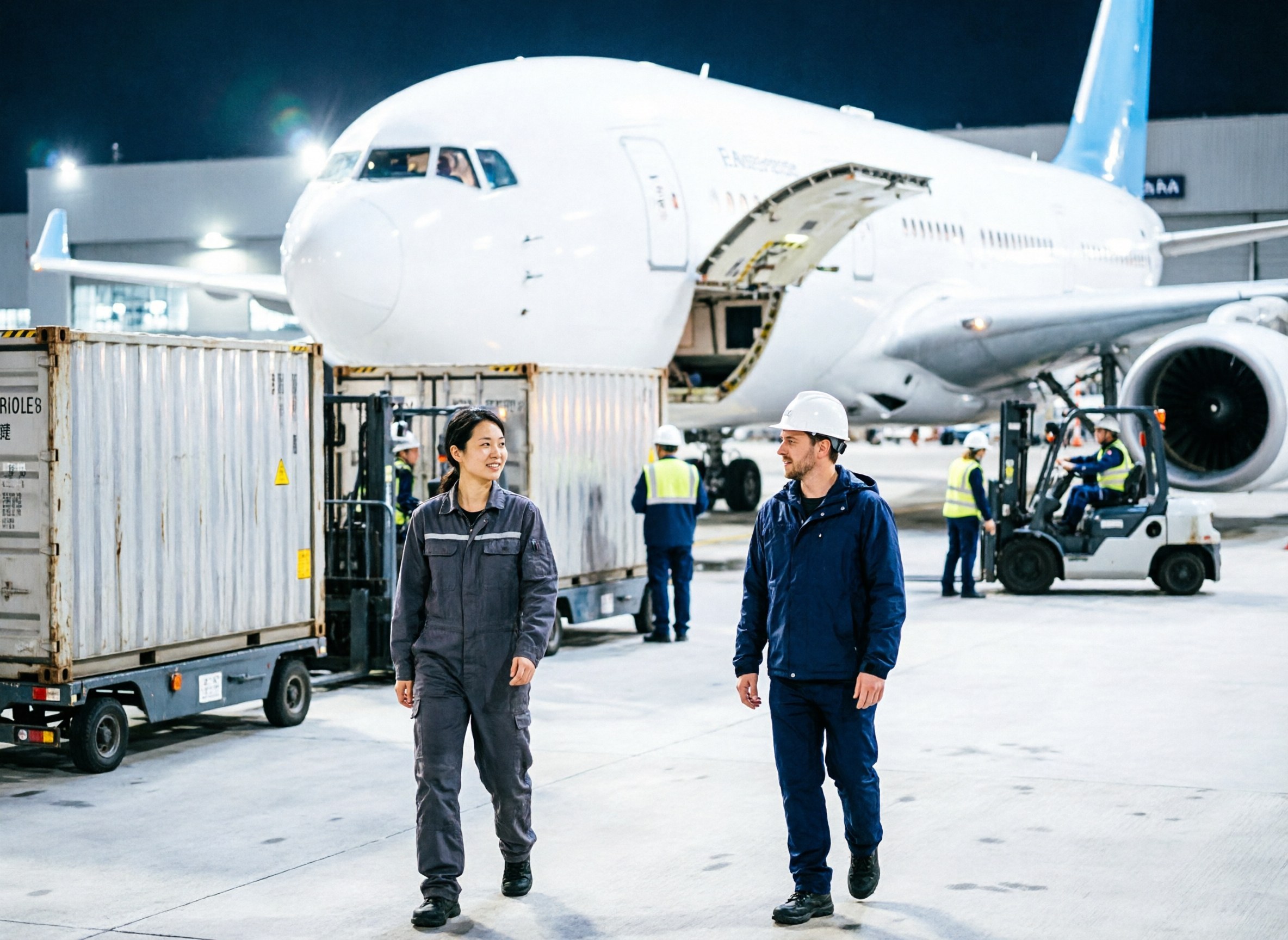
When a launch date is fixed and a delay is unacceptable, air and express compress the clock dramatically. Air freight runs $4-9/kg over 5-11 days; express courier (DHL, FedEx, UPS) is $6.50-15/kg over 2-7 days. The per-kilo cost is high, but for a small, urgent or high-value run it is the only option that protects a date.
The Buffer You Must Build In
- Red Sea reroutes Diversions add days to Europe-bound sailings versus the Suez baseline.
- Port congestion US and EU backlog can stall a vessel at anchorage for a week or more.
- Peak season (Aug-Dec) The late-year surge slows both sailing and terminal handling.
- Customs and drayage Clearance plus trucking to your door is extra, not included in transit.
Don't Forget FBA Inbound Time
If the goods are headed to Amazon, the sailing is only half the clock. Amazon assigns a fulfillment-center appointment and then takes inbound processing time before units are sellable. Count that window - and the FC appointment lead time - when you set a go-live date, especially under the 2026 rule that units must arrive fully prepped.
Get the FC assignment early
Multi-FC splits raise drayage and add handoffs.
Prep to FBA spec in China
No in-warehouse prep is offered from 2026.
Book the carrier appointment
Slots fill in peak season.
Add inbound processing to your date
Units are not live until received and stowed.

Case: A Launch Saved by Buffer
The client's plan assumed 25 days port-to-port plus a week of drayage. We added a 10-day buffer for peak-season terminal delay and a customs hold. The vessel was indeed delayed nine days at anchor.
How RND SOURCING Plans Transit
We give every client a dated schedule at booking that separates sailing time from consolidation, clearance and drayage, and we pad it for the season we are shipping in. For FBA-bound cargo we coordinate the FC appointment and prep timing so the inbound clock is part of the plan, not a surprise. Our job is to protect your launch date, which means quoting the realistic window rather than the brochure one.
Plan a transit schedule for your shipmentRelated Questions
- What are LCL rates per CBM in 2026?
- FCL vs LCL - which should I choose?
- How do I ship to Amazon FBA from China (2026 rules)?