Now that the $800 de minimis exemption is gone, do I pay duty on every small parcel from China?
- Share
- Issue Time
- Oct 14,2026
Direct answer: Yes. The US suspended duty-free de minimis for China/Hong Kong on 2 May 2025 and extended it to all countries on 29 August 2025. The EU abolished its €150 customs-duty exemption on 1 July 2026 under Council Regulation (EU) 2026/382. Every commercial parcel from China now requires a formal customs entry and duty payment.
The Duty-Free Era Is Over
For a decade, the $800 US de minimis (Section 321) and the EU's €150 threshold let billions of low-value parcels clear customs duty-free with almost no paperwork. That model ended in 2025-2026. In the US, the change took effect for China/Hong Kong first (2 May 2025), then globally (29 August 2025); Congress repealed Section 321 for commercial shipments effective 1 July 2027 via the One Big Beautiful Bill Act. In the EU, the €150 exemption was replaced on 1 July 2026 by a transitional €3 flat duty per item (by 4-digit HS code), with a five-tier schedule (0/5/8/12/17%) due from 1 July 2028 once the EU Customs Data Hub is live. The UK retains VAT relief under £135 while consulting on removal around 2029.
What It Costs a China Seller
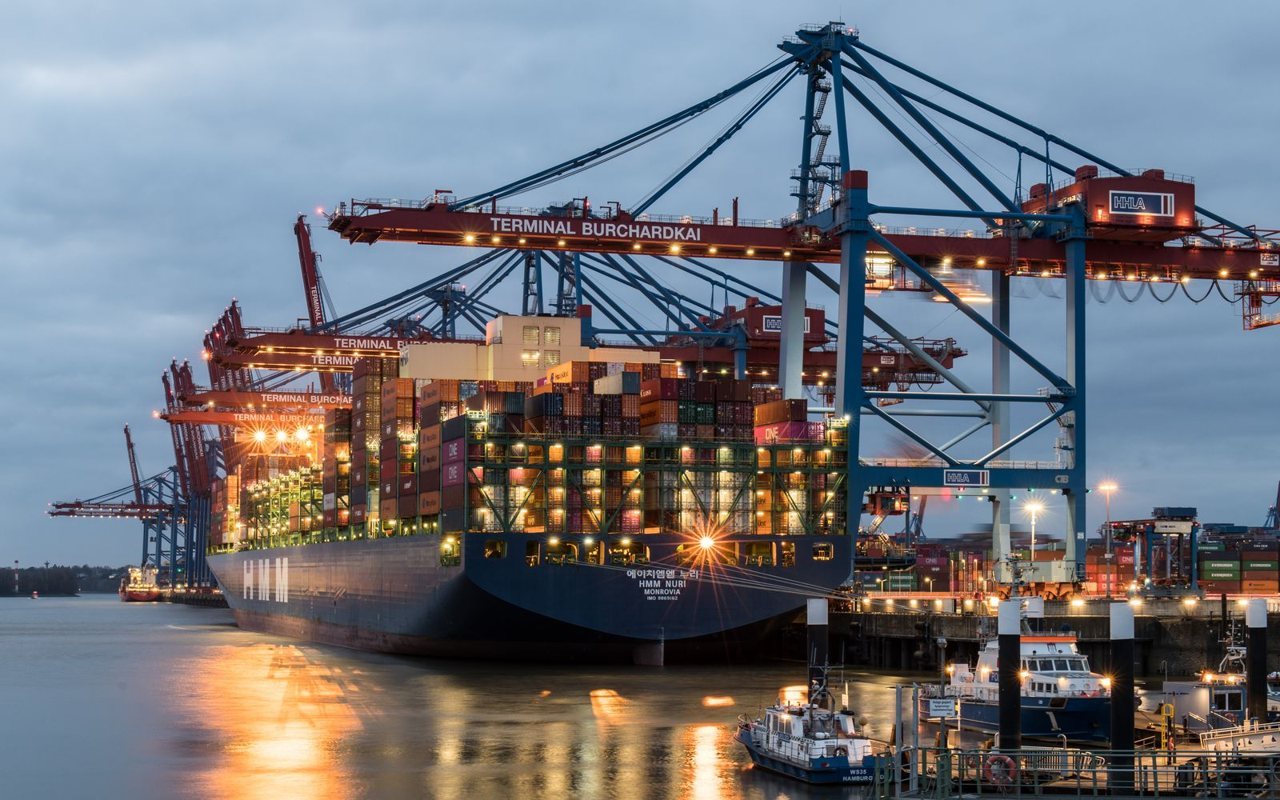
Cross-border logistics analysts estimate landed-cost increases of 15-40% for China-origin DTC parcels once full duties apply. Because Chinese goods also carry Section 301 additional duties (7.5-25%) on top of the base Most-Favoured-Nation rate, many small parcels that were 'free' now attract a meaningful tariff stack. The direct-from-China DTC model is no longer economically viable at scale, which is why consolidation into fewer commercial imports and local/bonded fulfillment have shifted from 'optional' to 'essential infrastructure' for 2026.
A Real-World Case
A 12-SKU home-accessories brand we advise shipped roughly 4,000 parcels a month, average declared value $26, straight from Yiwu to US and EU consumers. After 2 May 2025 every US parcel needed a formal entry and paid base + Section 301 duty; after 1 July 2026 EU parcels added the €3/item charge plus 19-21% VAT. Margins collapsed. Working with RND SOURCING, they moved to consolidated air freight into a German bonded warehouse, cleared goods as commercial entries in bulk, and fulfilled locally. Per-parcel clearance fees dropped by roughly 70% and delivery times shortened — the duty bill did not disappear, but the structure became manageable.
The Data at a Glance
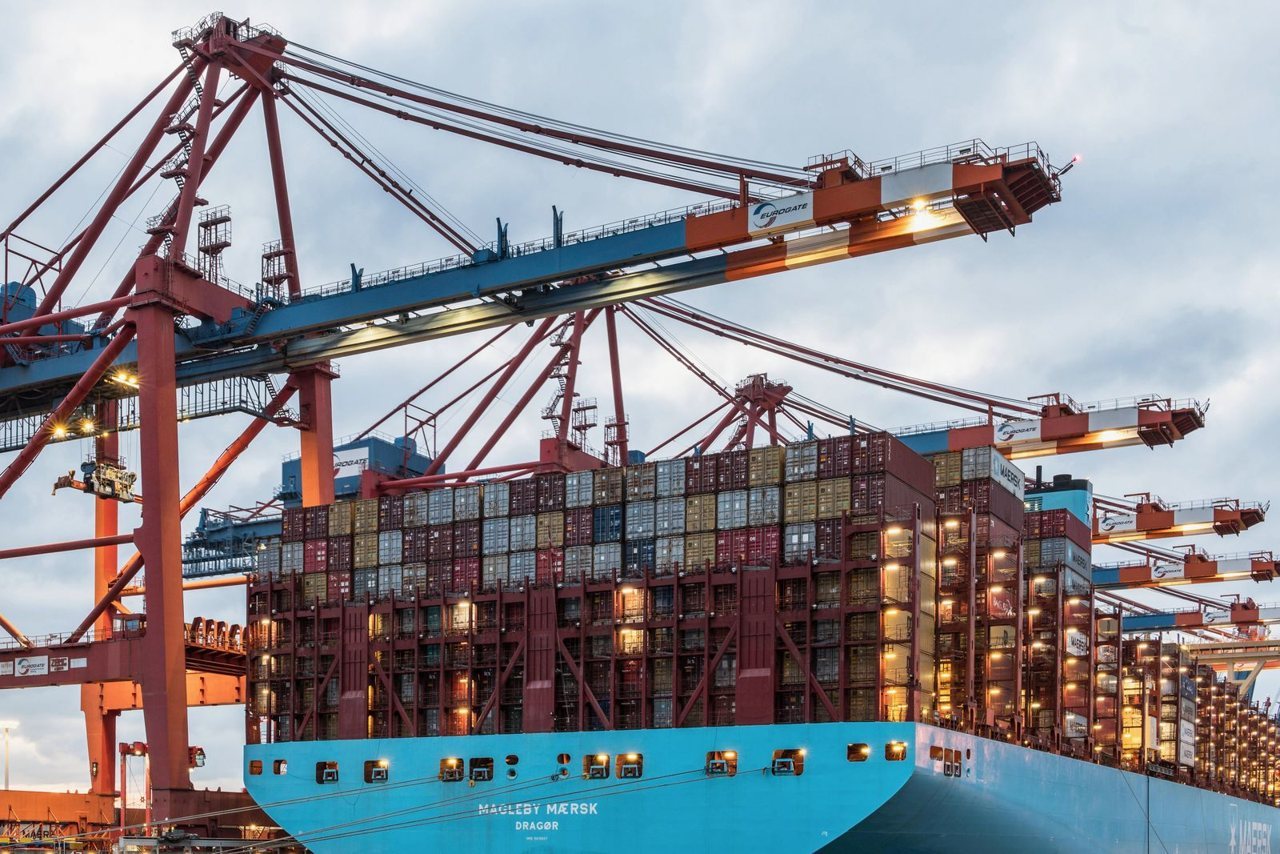
The volumes that drove the policy change show why enforcement is now structural, not a passing tweak.
| Market | Old threshold | Status in 2026 | Practical effect |
|---|---|---|---|
| United States | $800 (Section 321) | Ended China/HK 2 May 2025; all countries 29 Aug 2025 | Formal entry required; Section 301 + base duty apply |
| European Union | €150 | Abolished 1 July 2026 (Reg. 2026/382) | €3/item transition; 5-tier rates from 1 July 2028; VAT still due |
| United Kingdom | £135 VAT relief | Under consultation, target ~2029 | Plan now, no action yet |
| EU 2024 volume | 4.6B sub-€150 parcels | ~91% from China | Why regulators closed the lane |
Why RND SOURCING Recommends a Fulfillment Restructure
At RND SOURCING we stopped treating de minimis as a pricing line and started treating it as a supply-chain design problem. For most importers the fix is not 'pay the duty' but 'change the architecture': consolidate, pre-position stock in a bonded zone or local warehouse, and clear commercially. That converts thousands of fragile parcel entries into a handful of predictable ones — lower per-unit clearance cost and far less exposure to CBP's post-de-minimis enforcement.
Step-by-Step: Restructure Your China Fulfillment
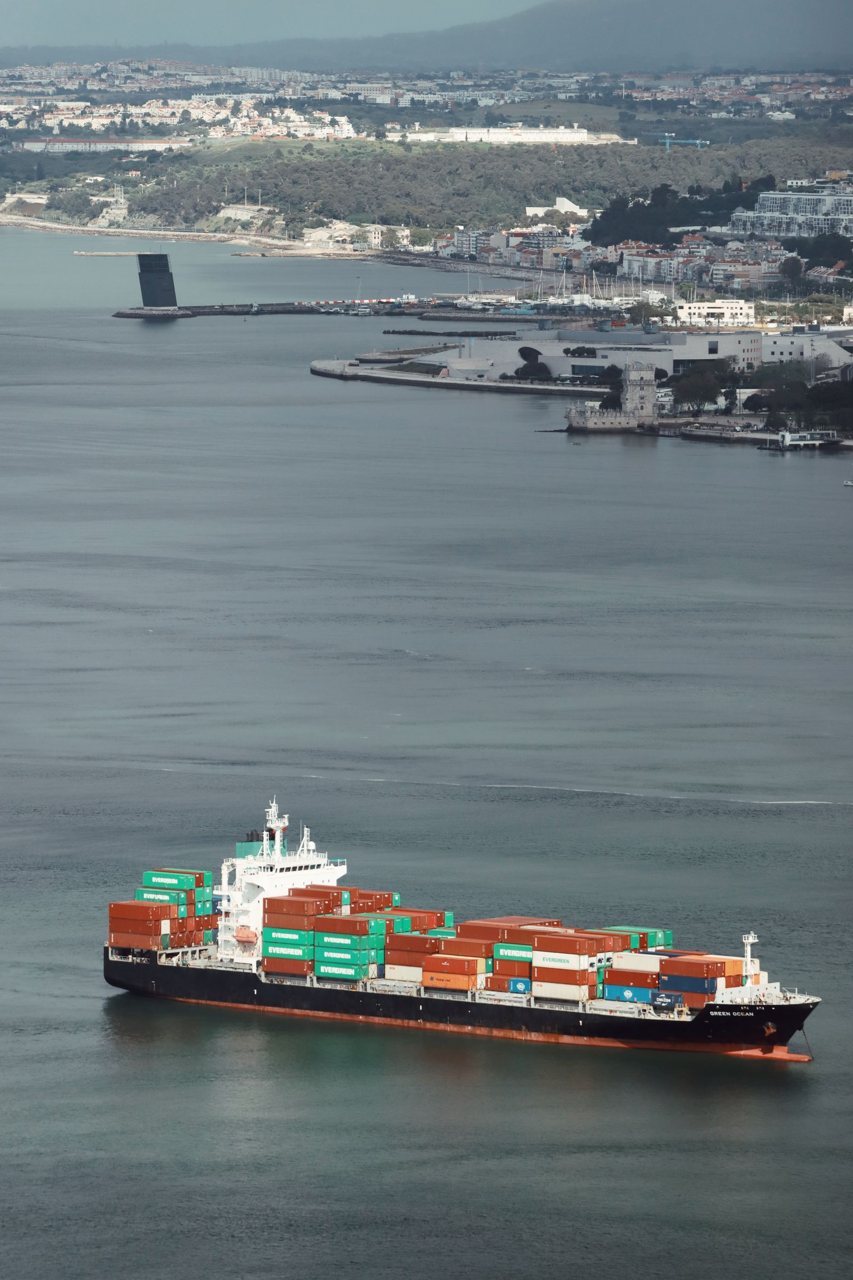
- Run a classification audit on your top SKUs and model the new duty stack per lane.
- Consolidate small parcels into weekly air or sea consolidations instead of per-order邮寄.
- Pre-position inventory in a bonded warehouse or EU/US 3PL so you clear in bulk.
- Use DDP or DAP deliberately and show landed cost at checkout to avoid cart abandonment.
- Brief customers early — surprise duties at the door are the fastest way to lose repeat buyers.
Common Mistakes to Avoid
- Shipping on last year's rates — US tariff rates shifted repeatedly through 2025-2026, confirm in writing.
- Assuming VAT disappeared with the duty exemption — EU VAT still applies on the consolidated value.
- Routing through a third country just to 'change origin' — that is illegal transshipment (see our country-of-origin FAQ).
- Ignoring the new US postal entry process (Entry Type 13 pilot from 22 Sept 2026).
Key Takeaways
- De minimis is gone for China in both the US and EU — treat every parcel as a formal import.
- Landed cost is up 15-40%; the winners consolidate and fulfill locally.
- Bonded warehousing is now core infrastructure, not a nice-to-have.
- The duty-free, low-accountability era 'is not coming back' (Carra Globe, 2026).