China Shipping Guide 2026: Air, Sea, Rail, and FBA Shipping Compared
- Share
- publisher
- RND Sourcing Team
- Issue Time
- Jul 25,2026
Summary
A 2026 comparison of China shipping methods — air, sea, rail, and FBA — with current rates, transit times, and logistics tips.
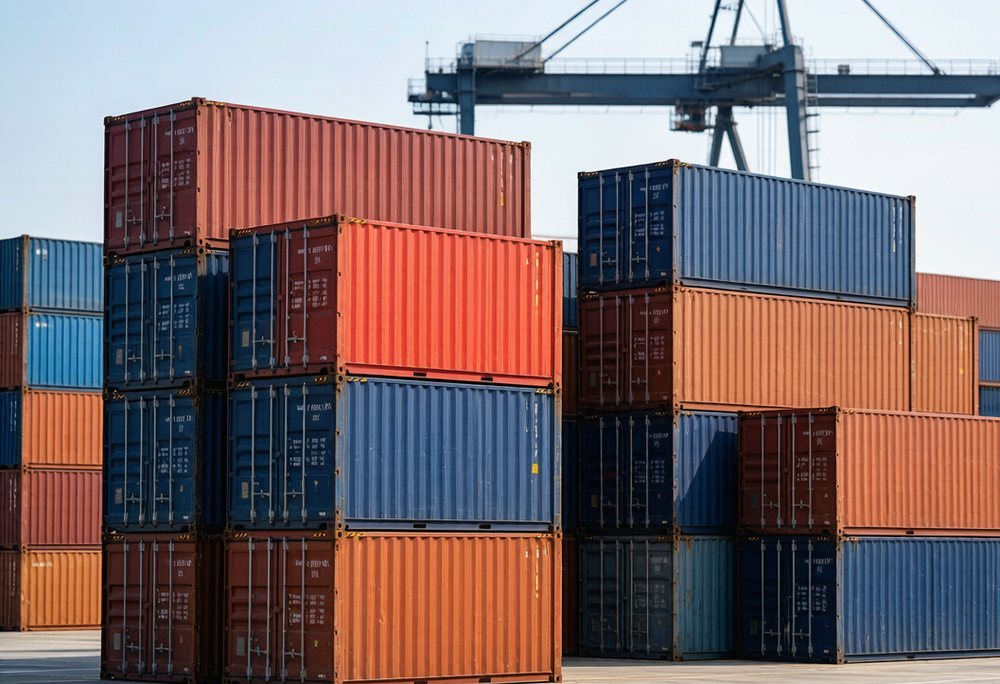
China Shipping Guide 2026: Air, Sea, Rail, and FBA Shipping Compared
Shipping from China in 2026 is shaped by volatile rates and post-de-minimis tariffs. The Drewry World Container Index (May 7, 2026) put a 40ft container from Shanghai to Los Angeles at $3,062 and to New York at $3,721, while a US-China tariff truce from May 12, 2026 pushed some June West Coast departures above $7,000. Choosing the right method is now a margin decision. As a 20-year Yiwu sourcing agent, RND Sourcing helps importers match method to cargo.
Choosing the Right Shipping Method
The core trade-off is speed versus cost. Sea is cheapest for volume but slowest; air is fastest but expensive; rail sits between them for China-Europe lanes; express and FBA prep cover urgent or small shipments. Match the method to order urgency, unit economics, and your replenishment calendar.
| Method | Transit time | Best use |
|---|---|---|
| Sea (FCL/LCL) | 20-45 days | Bulk, non-urgent, >15 CBM |
| Air | 6-12 days | Urgent, mid-value, low MOQ |
| Rail (to EU) | 15-25 days | China-Europe balance of speed/cost |
| Express/FBA | 3-7 days | Samples, emergency restock |
Air Freight: Speed, Cost, Best Use Cases
Air freight in early 2026 ran around $7/kg (Unicargo, January 2026 benchmarks), with transit of 6-12 days. It is the right call for new-product launches, Prime Day prep, and mid-value goods where a stockout costs more than freight. Watch volumetric weight: light, bulky items can be charged at 3-5x actual weight, so optimize carton dimensions.
When air pays off
Use air when the cost of a stockout or a missed sales peak exceeds the freight premium. For batteries and electronics, budget for 'special cargo' rates and MSDS/UN38.3 documents.
Sea Freight (FCL vs LCL): When to Choose Each
Sea remains the cheapest option for volume. Per the Drewry WCI and market quotes (May 2026), a 20ft container to the US West Coast runs $2,100-2,400 and a 40ft runs $3,000-3,100. Rates to the East Coast are roughly 15-20% higher, and peak season (August-October) typically adds 20-40%.
- FCL (Full Container Load): best above 15 CBM; lower per-unit cost and less damage risk.
- LCL (Less than Container Load): economical under 15 CBM; you share space and pay by volume or weight, whichever is higher.
- Book early for peak season; rates are usually lowest in the lull between Chinese New Year and August.
Rail Freight: The China-Europe Middle Ground
Rail from Xi'an or Chengdu to European hubs like Warsaw or Hamburg takes about 15-20 days and offers rates more stable than ocean. China Top Freight (Q1 2026) notes rail is a staple for Eurasian trade where speed and cost must be balanced. The catch: rail does not serve North America or Australia, so sea and air remain the only options for those routes.
FBA Shipping Requirements and Best Practices
In 2026 Amazon no longer offers its prep service, so all FNSKU labeling, polybagging, bundling, and fragile protection must be done upstream at the factory or a China-side 3PL. A scannable FNSKU, correct polybag suffocation warnings, and secure bundles prevent rejections and fees. Most private-label sellers rely on FBA: 82% of active Amazon sellers used FBA in 2025, and 92% of private-label brands do (Red Stag Fulfillment, 2026).
Prep upstream
Apply FNSKU labels, polybag, and kit at the factory or China 3PL before export.
Choose DDP vs DAP
DDP lets the forwarder cover duties and delivery; simpler post-de-minimis, but verify the quote is all-in.
Classify correctly
Use the right HS code; toys, apparel, and home goods carry roughly 20-30% total US tariffs in 2026.
Book and track
Create the shipment plan in Seller Central and track to the FBA center with a buffer for customs.
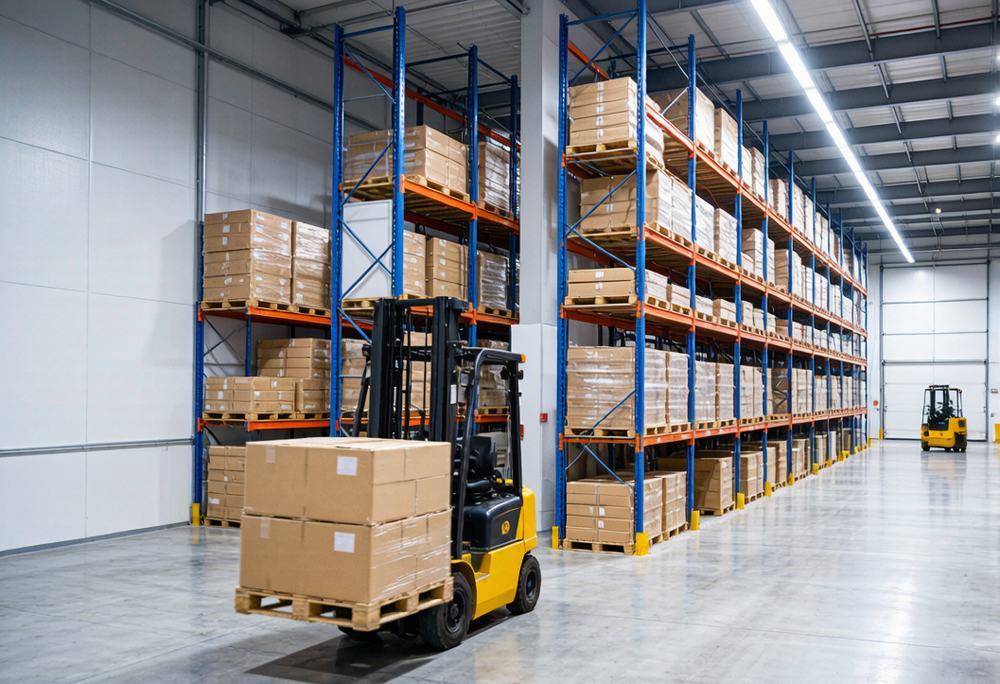
3PL Warehousing in China
A China-side 3PL lets you consolidate shipments from multiple factories, do FBA prep, and hold buffer stock near the port. Buyer's consolidation into one container can significantly lower per-unit freight. Proximity matters: Ningbo-Zhoushan Port moves cargo same-day from local factories and 1-2 days from Yiwu and nearby clusters.
Customs Clearance and Documentation
Beyond base freight, budget for terminal handling (THC), documentation fees, and inland trucking at both ends. Delays trigger storage and demurrage that erode margin. Keep commercial invoice, packing list, bill of lading, and certificate of origin consistent, and ensure HS codes match the product exactly.
Avoid hidden fees
Ask for an all-in DDP quote that names every surcharge. RND consolidates and pre-clears cargo to reduce the risk of surprise charges. See our services.
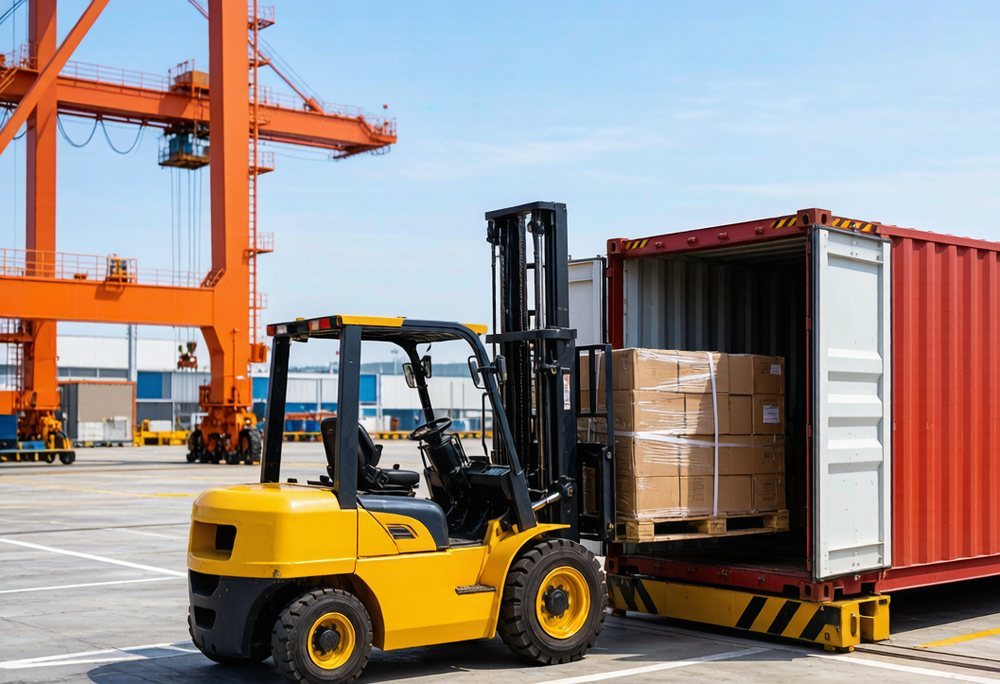
Shipping Cost Comparison Table
Indicative 2026 rates (port-to-port or per kg, excluding duties and inland trucking). Always confirm with a live quote near your sailing date.
| Route / method | Cost (2026) | Transit |
|---|---|---|
| Shanghai-LA, 40ft sea | $3,000-3,100 | 14-18 days |
| Shanghai-NY, 40ft sea | $3,700-4,300 | 28-35 days |
| Air freight | ~$7/kg | 6-12 days |
| China-EU rail | Stable, mid of sea/air | 15-20 days |
| Express (DHL/FedEx) | $45-150/kg | 3-7 days |
How RND Handles End-to-End Logistics
RND Sourcing manages the full chain from the Yiwu and cluster factories to your door or FBA center: supplier consolidation, QC, custom packaging, China-side 3PL prep, freight forwarding (sea, air, rail, or express), and customs documentation. Transparent fees and no supplier kickbacks mean the landed-cost estimate you get is the one you can plan on.
- Multi-factory consolidation into FCL or LCL shipments.
- FBA-compliant prep and labeling at our China warehouse.
- Carrier selection and DDP quoting across air, sea, and rail.
- Document preparation and clearance support.
Conclusion
In 2026 the cheapest shipping is rarely the best shipping; the right choice balances rate volatility, transit, and tariff exposure. Build your plan around volume and season, prep FBA cargo upstream, and consolidate where you can. For a landed-cost quote on your next order, visit the contact page.
What is the cheapest way to ship from China in 2026?
Sea freight is cheapest for volume, with a 40ft container from Shanghai to Los Angeles around $3,000-3,100 per the Drewry WCI (May 2026), but rates swing with season and tariffs.
When should I choose FCL over LCL?
Choose FCL above roughly 15 CBM for lower per-unit cost and less damage risk; use LCL below that volume.
Does rail freight work for the US?
No. China-Europe rail serves Eurasian routes in about 15-20 days but does not reach North America or Australia; use sea or air for those.
What changed for Amazon FBA shipping in 2026?
Amazon ended its prep service, so FNSKU labeling, polybagging, and bundling must be done upstream at the factory or a China-side 3PL.
What is DDP shipping and why use it?
Delivered Duty Paid means the forwarder covers customs, duties, and delivery in one invoice, which is simpler and lower-risk after the US ended de-minimis treatment.
Need a transparent landed-cost quote for your next China order? Send us your shipment details and we will consolidate, prep, and route it.
Work With RND Sourcing
RND Sourcing is your on-the-ground sourcing team in Yiwu, helping global buyers find reliable factories, negotiate better terms, and ship with confidence. For a free, no-obligation consultation, visit yourchinagent.com.