Supply Chain Risk Management: How to Avoid Disruptions When Sourcing from China
- Share
- publisher
- RND Sourcing Team
- Issue Time
- Sep 25,2026
Summary
A practical guide to China supply chain risk management, covering diversification, buffer time, peak-season contingency, and the role of an on-site Yiwu agent.
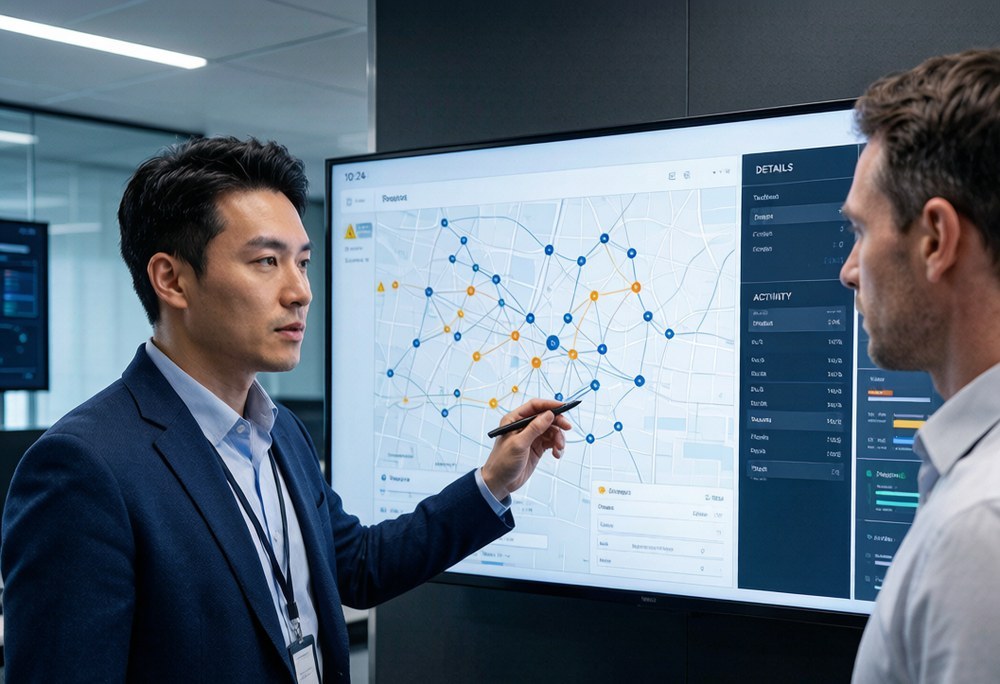
Supply Chain Risk Management: How to Avoid Disruptions When Sourcing from China
Sourcing from China rewards efficiency, but it also concentrates risk. A UNCTAD report in early 2026 estimated that about two-thirds of global trade is being reshaped by geopolitics, industrial policy, and new technology, so disruption is now the baseline, not the exception. With 20+ years on the ground in Yiwu, we treat supply chain risk management as a daily operating discipline, not a yearly review.
Why Supply Chain Resilience Matters
Resilience is the ability to keep selling when one link breaks. The data shows why it can no longer be ignored: supplier structures shift fast, and single points of failure are expensive. Building redundancy into sourcing is cheaper than a stockout during your peak season.
Common Risks: Factory Delays, Quality Issues, Shipping Disruptions
China sourcing risk is a portfolio of connected vulnerabilities, not one problem. The four below account for most disruptions importers actually experience.
- Factory delays: Chinese New Year shutdowns, capacity crunches, and sudden ownership changes at a supplier
- Quality issues: silent subcontracting to uncertified workshops and spec drift after the approved sample
- Shipping disruptions: Red Sea routing, port congestion, and tariff shocks that change landed cost overnight
- Tariff and trade policy: Section 301 duties of 7.5-25% on many goods, with some categories far higher in 2025
| Risk | Impact | Primary mitigation |
|---|---|---|
| Single-source dependency | Production halt | Dual-source qualification |
| Quality inconsistency | Returns, brand damage | Pre-shipment inspection |
| Tariff / trade policy | Margin erosion | HTS review, sourcing shift |
| Shipping disruption | Late delivery | Inventory buffer, routing |
Supplier Diversification Strategy
Diversification does not mean splitting every order 50-50 and losing scale. The practical model is a primary-secondary split: keep one factory on 70-85% of volume and maintain a qualified secondary at 15-30% (China Makers Hub, 2025). A 'China+1' approach, with final assembly or labor-heavy steps in Vietnam or Mexico, also reduces tariff and policy exposure while keeping component-heavy work in China.
Qualify the backup before you need it
Run samples, audits, and terms with a secondary supplier in calm times. The time to build a backup is when you do not need one. See our supplier network.
Building Buffer Time Into Your Supply Chain
Most disruptions are really timing problems. Factories close for roughly two weeks around Chinese New Year, ocean transit adds variability, and customs can stall. Build float into every milestone rather than planning to the minute.
Forecast early
Share realistic volume and dates so the factory can reserve capacity
Add buffer weeks
Pad production and shipping with 2-3 weeks of slack before your sell date
Hold safety stock
Keep a rolling inventory of bestsellers to ride out a single late container
Contingency Planning for Peak Seasons
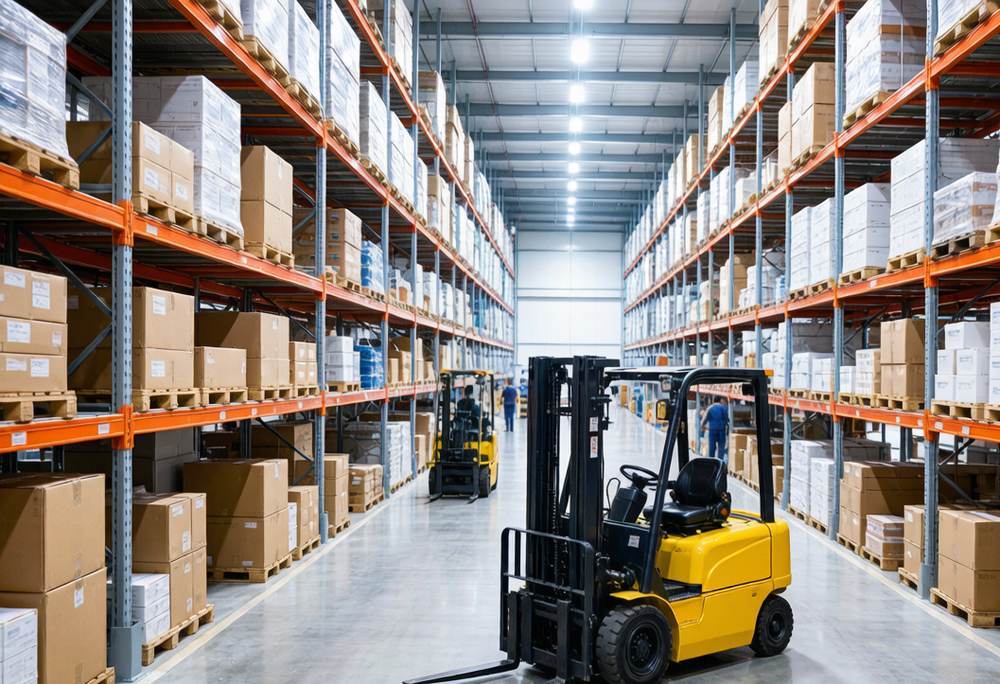
Peak season is where weak plans break. Chinese New Year, back-to-school, and Q4 holiday demand compress factory and freight capacity at the same time. Booking early, locking inspection slots, and pre-negotiating alternate routings keep you shipping when competitors stall.
- Confirm orders 8-12 weeks ahead of CNY and Q4 peaks
- Pre-book independent inspection slots so they are not the bottleneck
- Agree alternate shipping routes and incoterms before a disruption hits
- Stage buffer inventory in a warehouse near the port
The Role of On-Site Agents in Risk Mitigation
An on-site agent is your eyes on the floor. When 37% of Chinese factories changed ownership in 2025, a buyer relying on a three-year-old audit could be working with a different company than they vetted. Local agents run unannounced checks, verify that production is not subcontracted to uncertified workshops, and confirm the right materials are used. Independent pre-shipment inspection typically costs USD 250-400 per man-day, a small price against a defective shipment.
How RND Manages Supply Chain Risk for Clients
RND Sourcing turns risk into a managed process. We maintain a vetted factory network across Yiwu and major clusters, qualify primary and secondary suppliers, run independent inspections, and monitor tariff and policy shifts in real time. We are paid by the client, never by the factory, so our mitigation advice is conflict-free. Transparent fees and no supplier kickbacks mean the safe option is also the honest one.
One partner, end to end
From dual-sourcing to inspection to freight, RND coordinates the chain so a single break does not become a stockout. Start with a free risk review.

Conclusion
You cannot remove every risk in China sourcing, but you can stop any single one from sinking your business. Diversify suppliers, build time buffers, plan for peaks, and put someone on the ground. Resilience is a system, and it pays for itself the first time a disruption would have cost you a season.
What are the main supply chain risks when sourcing from China?
The biggest are single-source dependency, quality inconsistency from silent subcontracting, shipping disruptions such as Red Sea routing, and tariff or trade-policy shifts that change landed cost without warning.
How does supplier diversification reduce risk?
A primary-secondary split, typically 70-85% on one factory and 15-30% on a qualified backup, keeps scale while ensuring a second source can step up if the first fails.
Why use an on-site agent for risk mitigation?
A local agent runs unannounced factory checks, confirms production is not subcontracted to uncertified workshops, and verifies materials, catching problems that a distant buyer would miss.
How much does independent inspection cost in China?
Professional pre-shipment inspection runs about USD 250-400 per man-day, a small cost compared with accepting a defective or non-compliant shipment.
If you want a sourcing plan built to survive disruptions, send us your product idea and we will map the risks before you order.
Work With RND Sourcing
RND Sourcing is your on-the-ground sourcing team in Yiwu, helping global buyers find reliable factories, negotiate better terms, and ship with confidence. For a free, no-obligation consultation, visit yourchinagent.com.