Ultimate 8-Day Sourcing Adventure in China Factories
- Share
- Issue Time
- Sep 20,2026
Summary
Bernie from California joined our 18th-year sourcing trip across China: 8 days, 8 factories, high-speed rails, diamond tools in Zhenjiang, Yiwu market and Shenzhen electronics. A day-by-day report of what factory visits really deliver.
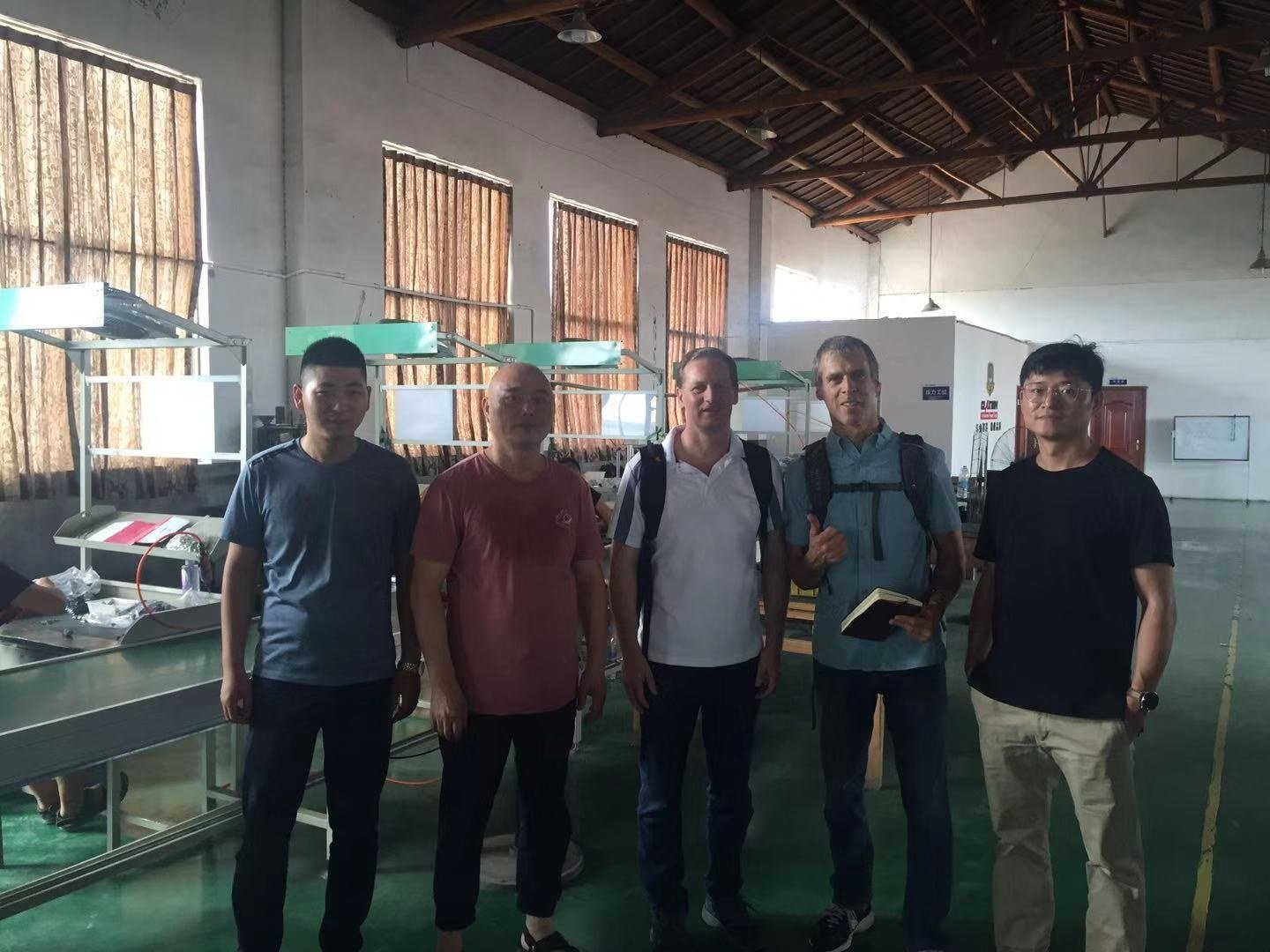
Ultimate 8 Days Sourcing Adventure in China Factories
What actually happens when a buyer flies halfway around the world to meet Chinese suppliers face to face? Here is the honest, day-by-day story of one of our sourcing trips: eight days, eight suppliers and factories, four provinces, one high-speed rail pass, and a long list of deals that only got done because both sides sat at the same table. Our team has run trips like this across China for over 18 years.
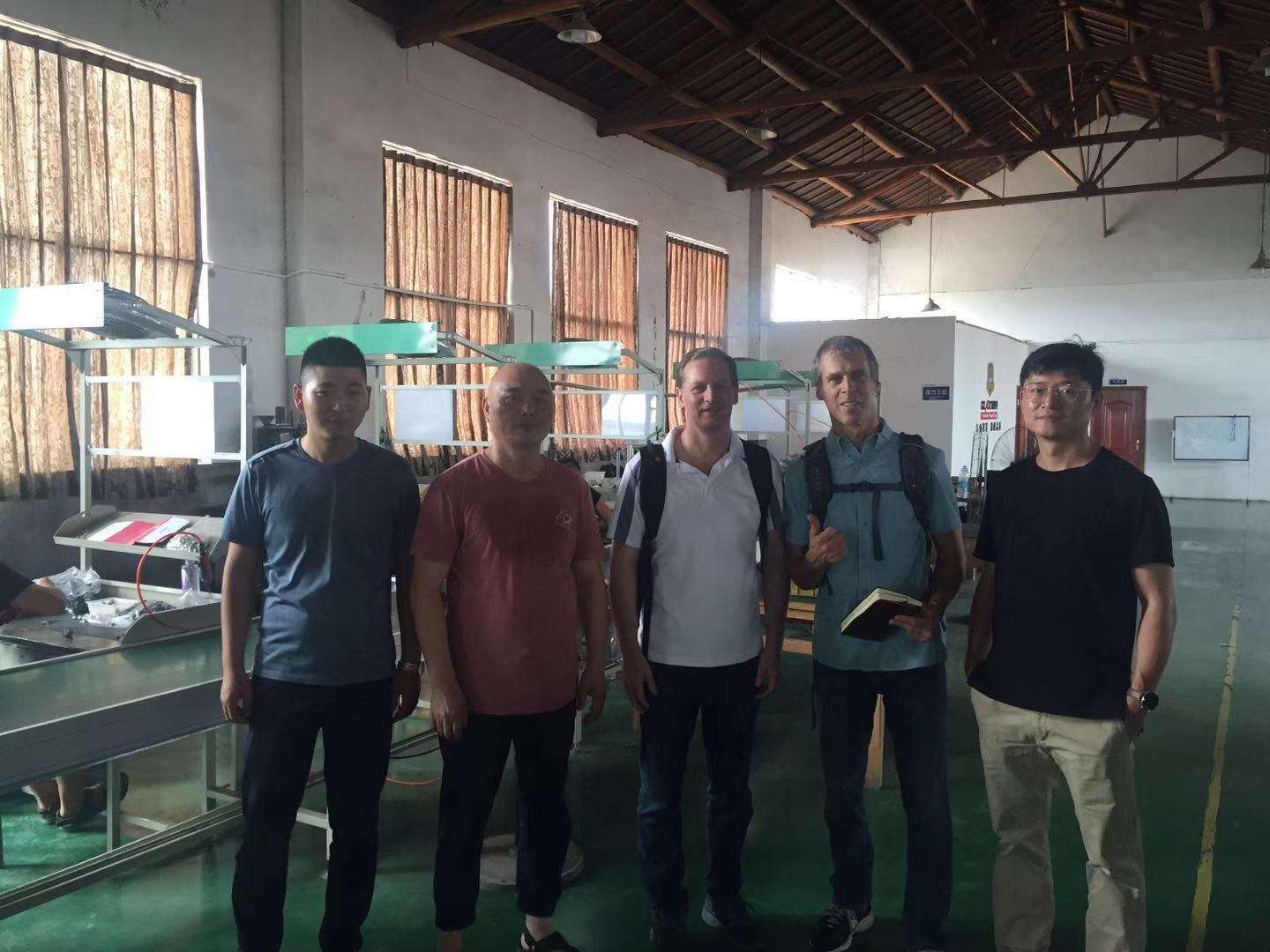
Why You Should Visit China Factories and Suppliers?
We have been organizing sourcing trips to factories across China for 18+ years. The goal is simple: help customers truly understand their potential suppliers by talking to people face to face, studying the production process, checking products from real mass production, resolving issues from past orders, and exploring the R&D of new products together. No video call can replace standing on the factory floor.
This is precious experience that makes you deeply understand your suppliers and handle your business in China with confidence. And of course, it is a lot of fun traveling with us — seeing a completely different world from yours, trying novel and delicious food. All in a safe, comfortable and well-organized way.
What a factory visit gives you
You verify whether a supplier is a real manufacturer, see the actual equipment and quality control, compare samples in person, negotiate directly with decision makers, and build the trust that gets your orders prioritized when capacity is tight.
What You Should Do Before Coming to China?
Make a list of the products and suppliers you want to source. We will help you filter out the unprofessional, unreliable and unsuitable ones — this alone saves weeks of wasted travel. It is strongly recommended to talk with the suppliers you really want to visit before flying in. Some of them may never answer emails or phone calls, and a quick pre-trip screening makes the whole trip far more efficient.
Then we build the schedule — train tickets, hotels, factory appointments — grouped by supplier location and product category. What you need to do is jump on an airplane and meet us at any major China airport.
| Prepare before the trip | We handle for you |
|---|---|
| Product list and target price range | Supplier shortlisting and background verification |
| Existing samples, drawings or specifications | Factory appointments grouped by region and category |
| Questions about past quality issues | Train tickets, hotels, drivers and interpreters |
| Decision authority on pricing and MOQ | Meeting notes, follow-up and post-trip quotations |
Trip at a Glance: 8 Days, 8 Factories, 2,000 Kilometers
Bernie from California, USA has been working with us since 2018. Every year we travel together to visit suppliers and source products in China. Here is the full story of our sourcing trip during June 11th–18th, 2024, covering 8 suppliers and factories from the diamond tool belt of Jiangsu to the electronics markets of Shenzhen.
| Day | Location | Focus |
|---|---|---|
| Day 1 | Nanjing → Zhenjiang, Jiangsu | Arrival and hotel check-in |
| Day 2 | Zhenjiang, Jiangsu | Three diamond tool and precision tooling factories |
| Days 3–4 | Zhenjiang → Yiwu, Zhejiang | Sample reviews, tooling trial, transfer south |
| Days 5–6 | Yiwu, Zhejiang | Market shortlisting and factory follow-ups |
| Days 7–8 | Shenzhen, Guangdong | Electronics suppliers and the wrap-up meeting |
Day 1: High-Speed Rails, Airports and a Warm Welcome
Bernie entered China through Shenzhen — a Top 5 Chinese city next to Hong Kong, famous for electronics, phone and computer accessories, semiconductors and machinery. Our first stops were in Jiangsu province, close to Shanghai and known for electronics, textiles, machinery, chemicals, solar and medical equipment. So we agreed to meet at Nanjing airport, the capital of Jiangsu.
His flight from Shenzhen to Nanjing took about 2 hours 15 minutes — almost the same as my high-speed train from Yiwu, where our company is based, 1.5 hours from Shanghai and home to the biggest small-commodity wholesale market in China.
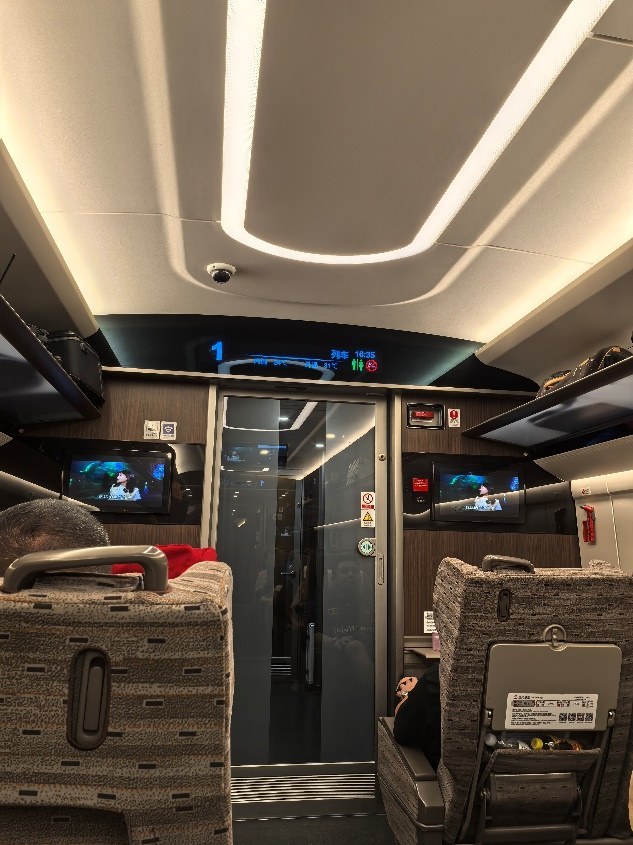
My train G7696 departed Yiwu at 16:09 and arrived at Nanjing South at 18:13; a metro hop later we finally met at the airport at 19:15. As planned, we headed straight back to Nanjing South to catch train G7163 at 21:09, arriving in Zhenjiang at 21:29. Our driver was waiting at the exit and took us to the Atour Hotel — one of our favorite hotel chains in China. The first supplier visit was set for the next morning.
Day 2: Diamond Tools in Zhenjiang — Three Suppliers in One Day
Day 2 was the heart of the trip: three factories in the Zhenjiang area, one of China's two great diamond tool clusters. Zhenjiang's Danyang district is known as the hometown of hardware tools in China — local government data shows its hardware tool exports account for more than half of the national market share, with 80% of products sold overseas (Zhenjiang Municipal Government, 2024). If you need diamond files, saw blades or precision abrasives, this is where the real factories are.
Supplier A: Diamond Files — An Efficient Morning
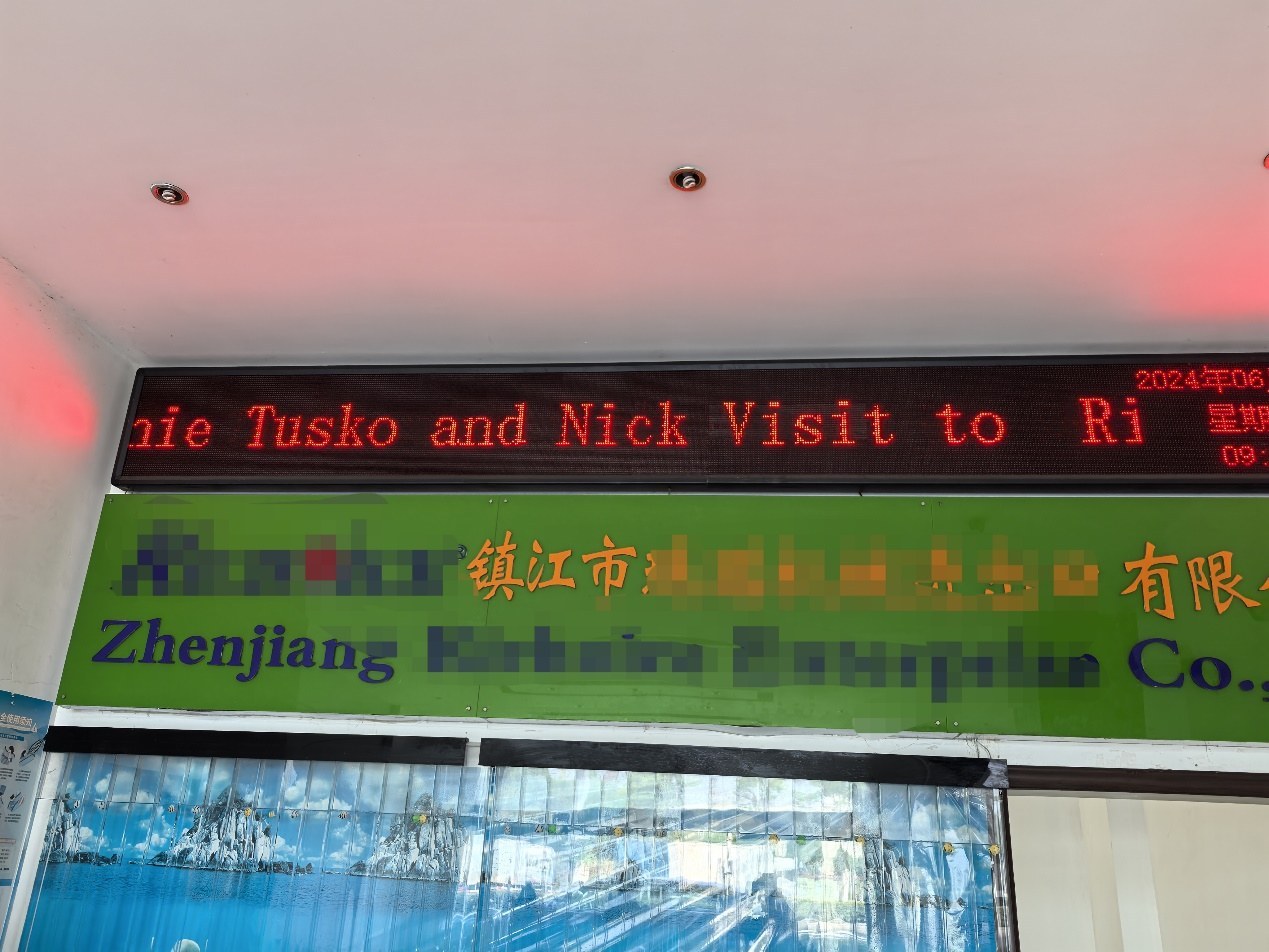
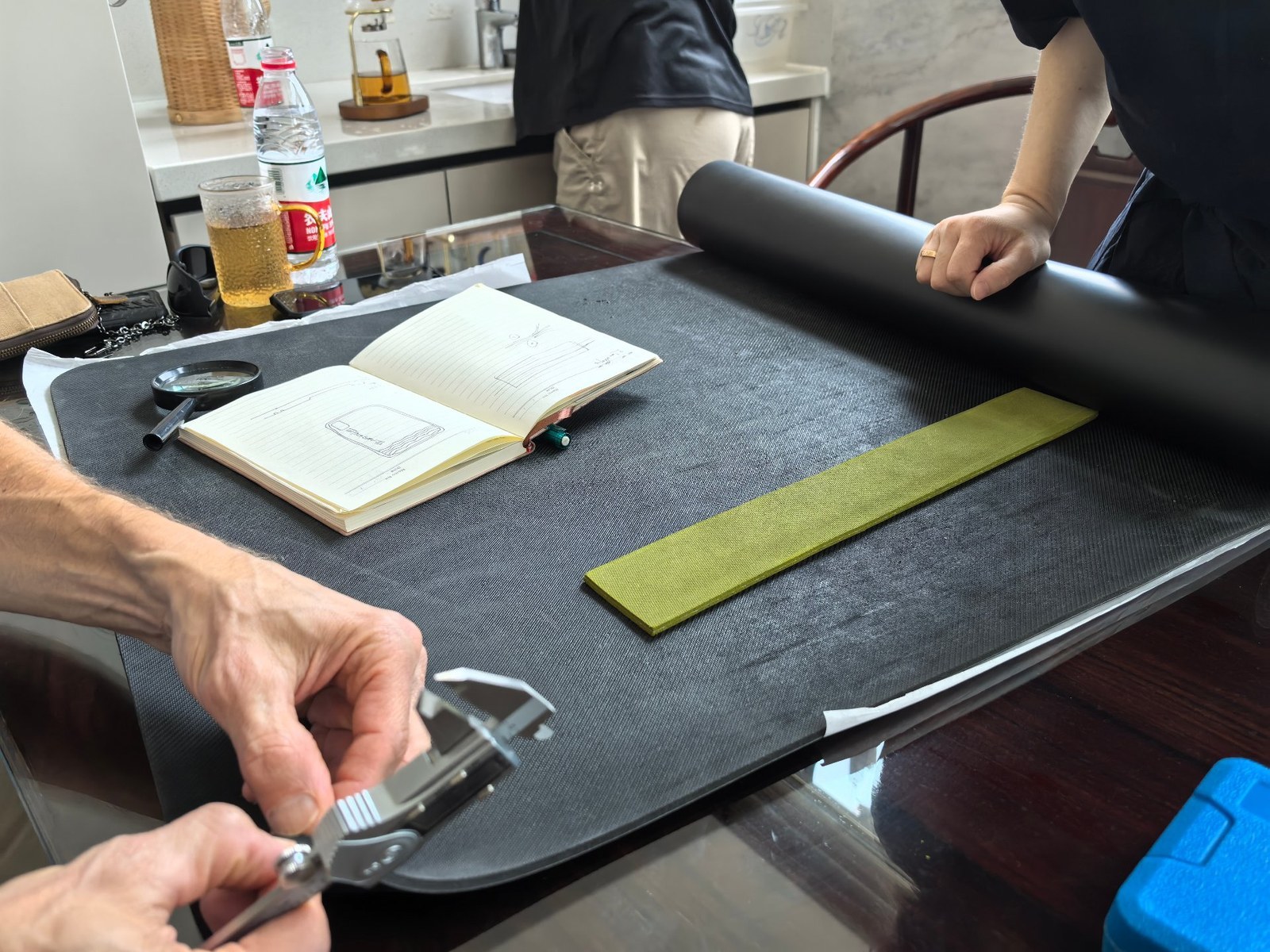
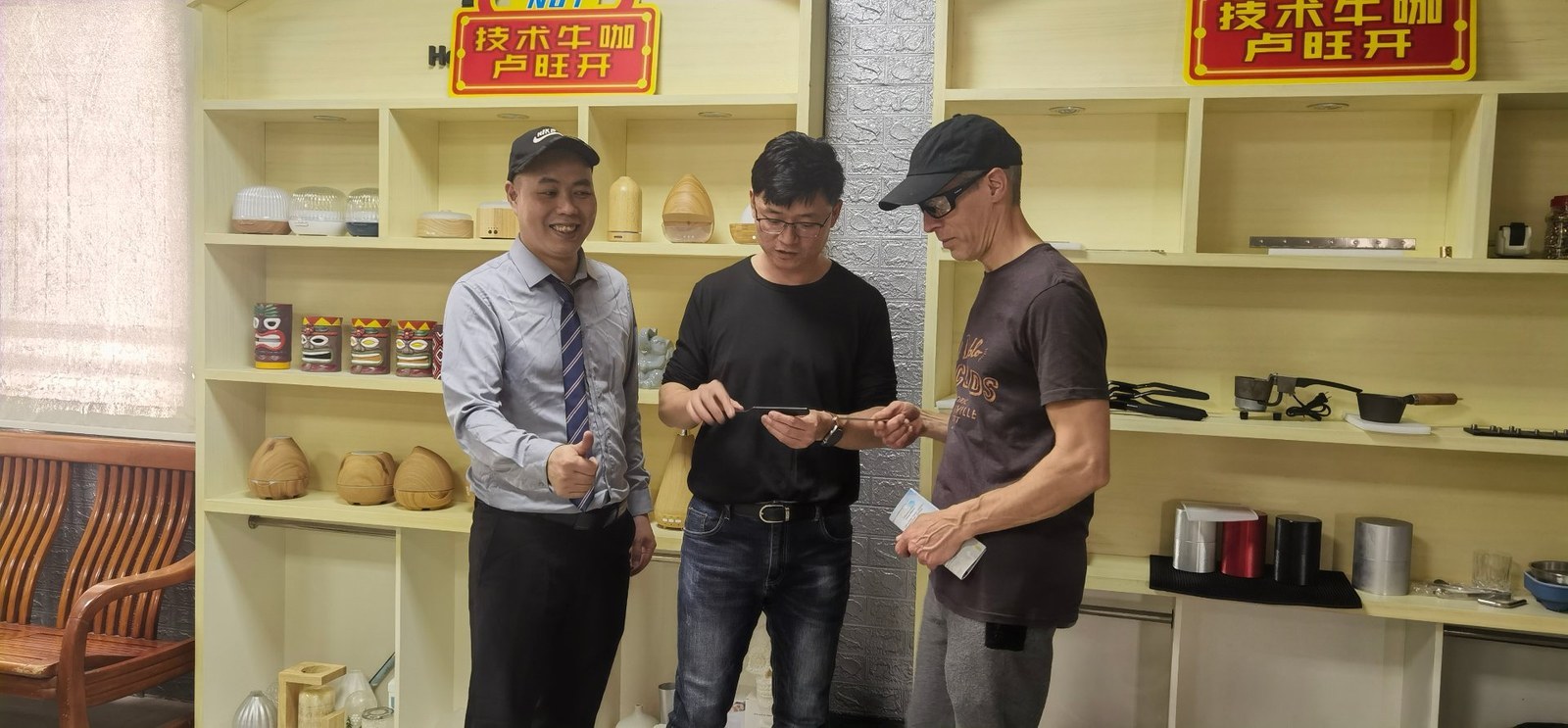
Jennifer and the driver picked us up from the lobby and drove 15 minutes to the factory. As soon as we walked into their office, this came into our eyes. So thoughtful —
Highlights of the morning meeting (9:30–11:30):
- Sample file review: chroming material CBN; diamond coating must be strictly controlled to the requested surfaces only.
- Small customized file: 101 × 25.8 mm, No. 45 steel base, diamond grade 300, tooling speed parameters (rolling RPM, moving mm/sec, liquid cooling) to be confirmed.
- Square customized file: double-sided diamond coating grade 300, logo on one side, round head diameter 3.3 mm.
Notice how specific these notes are. This is exactly why the trip matters — engineering details get settled in minutes across a table, not weeks over email.
Supplier B: A Second Quote Changes Your Negotiating Position
We took a cab to Supplier B (diamond coating tools) as soon as the morning meeting finished. In a focused 13:10–14:10 session we showed their engineers the same file samples and walked through production process and technology. Prototypes will follow from our drawings. Two competent factories on one product in a single day — that is leverage no email thread can give you.
Supplier C: The Precision Tooling Hunt
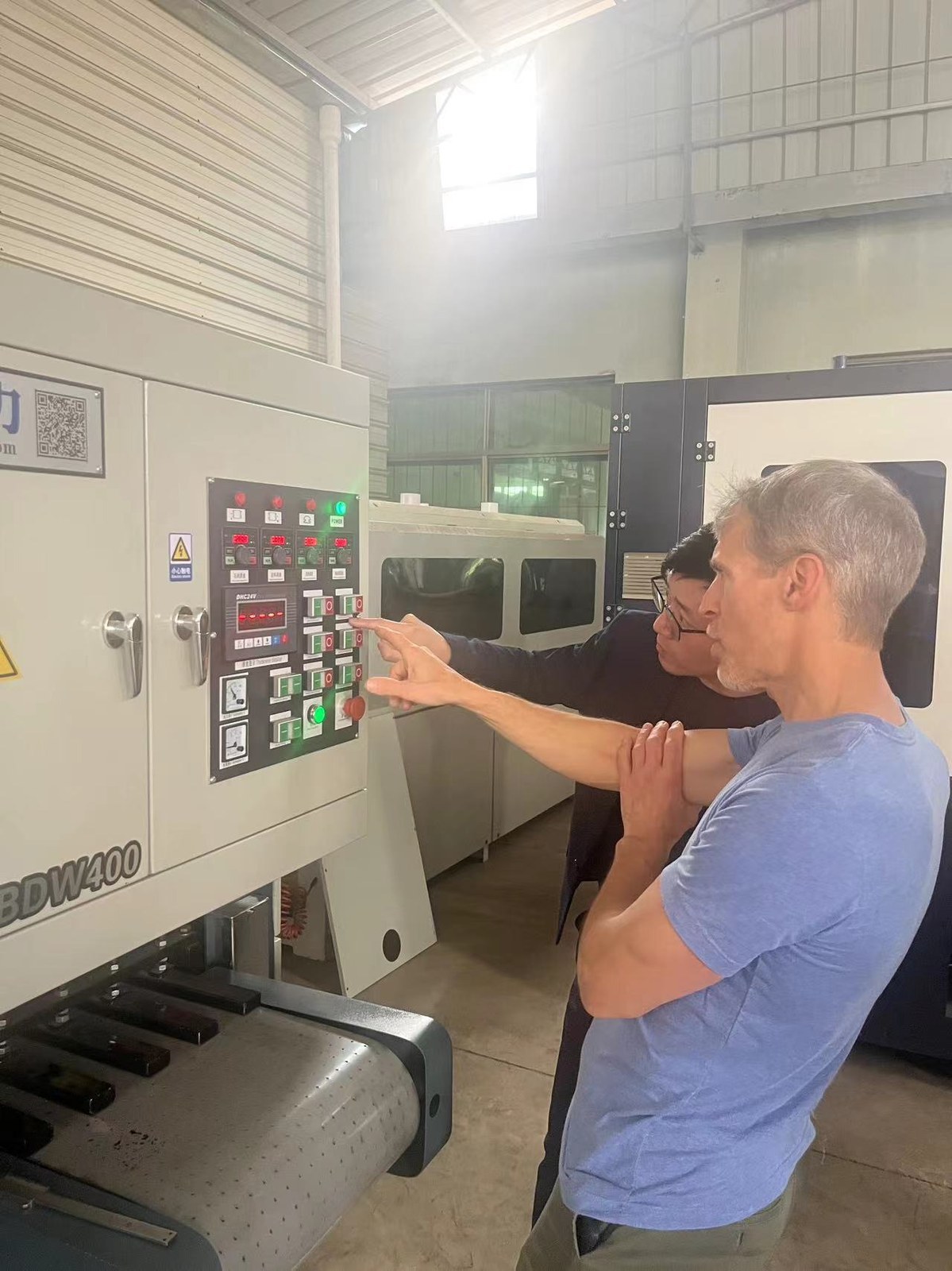
The real prize of the day was Supplier C, a precision tooling maker. Our hand file bases are produced on CNC machines, and the special tooling they require is so sophisticated that we had been importing it from Harvey Tools in the US — excellent quality, but expensive, and because it works metal all day, durability is limited. Finding a qualified Chinese tooling manufacturer is critical to lowering production cost.
The factory owner told us: "We have been supplying precision tooling partners to China's aerospace programs for years." BINGO — this sounded exactly like the guy we had been looking for. We checked the confidential production facility, discussed materials, estimated order quantity and cost, handed over the American-made reference samples, then jumped straight into a full workshop tour to see their grinding and inspection capabilities with our own eyes.
Watch for these during any factory tour
Industry audit checklists agree on the classic red flags: a guide who only shows certain rooms, a business license that does not match the site, unusually quiet production lines, and no written quality-control records. A factory proud of its capability will walk you through every step without hesitation.
Days 3–4: Sample Reviews, Tooling Trials and the Run South
Day 3 stayed in Jiangsu. We revisited the two most promising suppliers, compared prototype quotations side by side, and left calibrated reference samples for their trial production runs. We also squeezed in a supplier of abrasive wheels recommended by one of the morning factories — sometimes the best leads come from competitors' neighbors.
On Day 4 we boarded the high-speed train south to Yiwu, our home base in Zhejiang province, and used the afternoon to prep the market days: shortlists printed, booth numbers mapped by district, and two factory appointments confirmed in the Jinhua area for the following days.
Days 5–6: Yiwu — Shortlisting in the World's Largest Wholesale Market
No sourcing trip through eastern China is complete without Yiwu International Trade City. The numbers are hard to believe until you walk it: over 6.4 million square meters across five districts, around 75,000 booths offering roughly 2.1 million products in 26 categories, serving buyers from more than 200 countries and regions (Yiwu Market statistics, 2024–2025). Visiting every booth is impossible — which is precisely why you come with a shortlist and a local team.
- District 1: artificial flowers, toys, jewelry and festive crafts.
- District 2: luggage, umbrellas, hardware tools, electrical products and clocks.
- District 3: stationery, sports goods, cosmetics and zippers.
- District 4: socks, gloves, hats, footwear, belts and scarves.
- District 5: direct factory sales and the foreign trade service center.
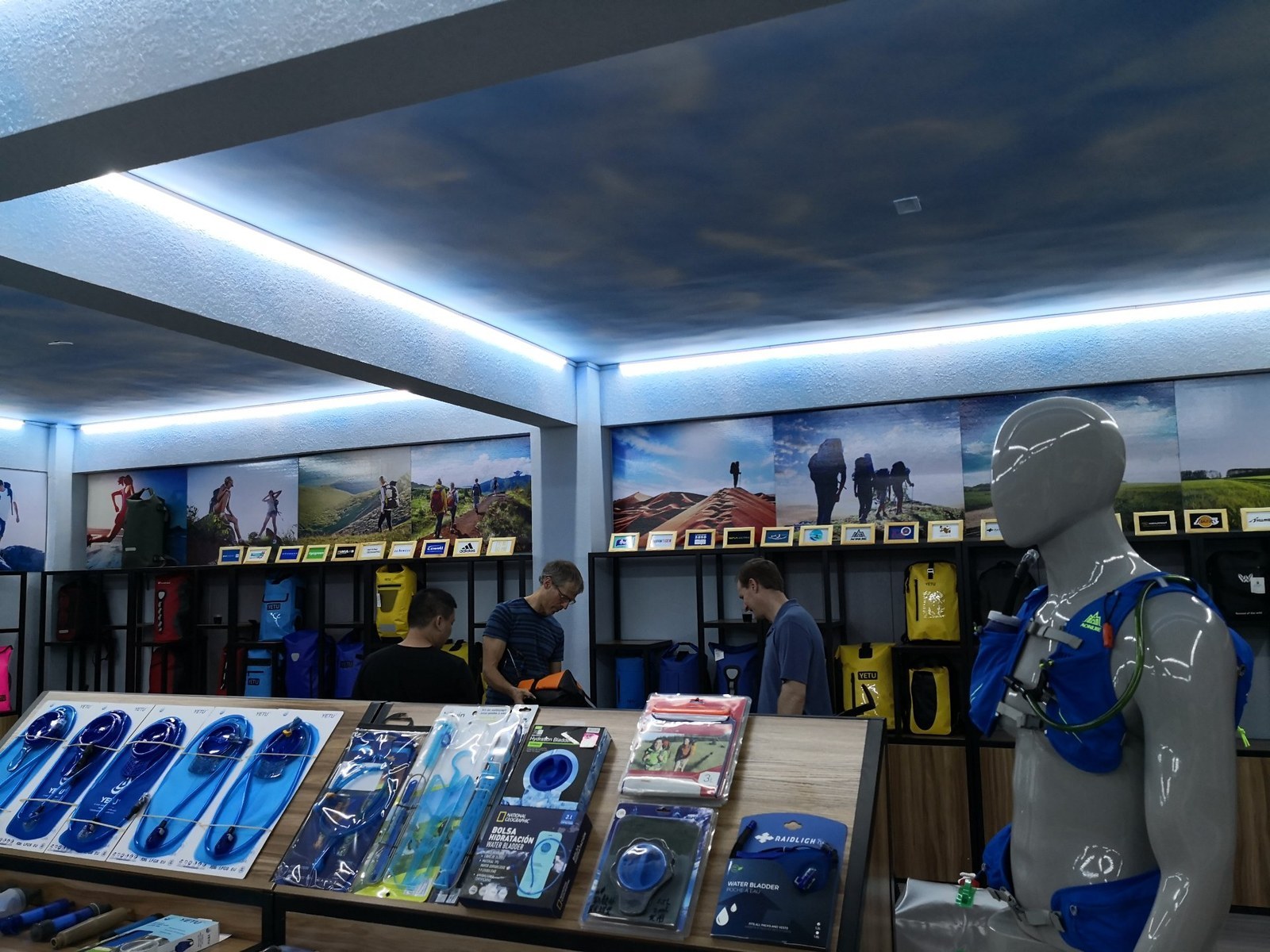
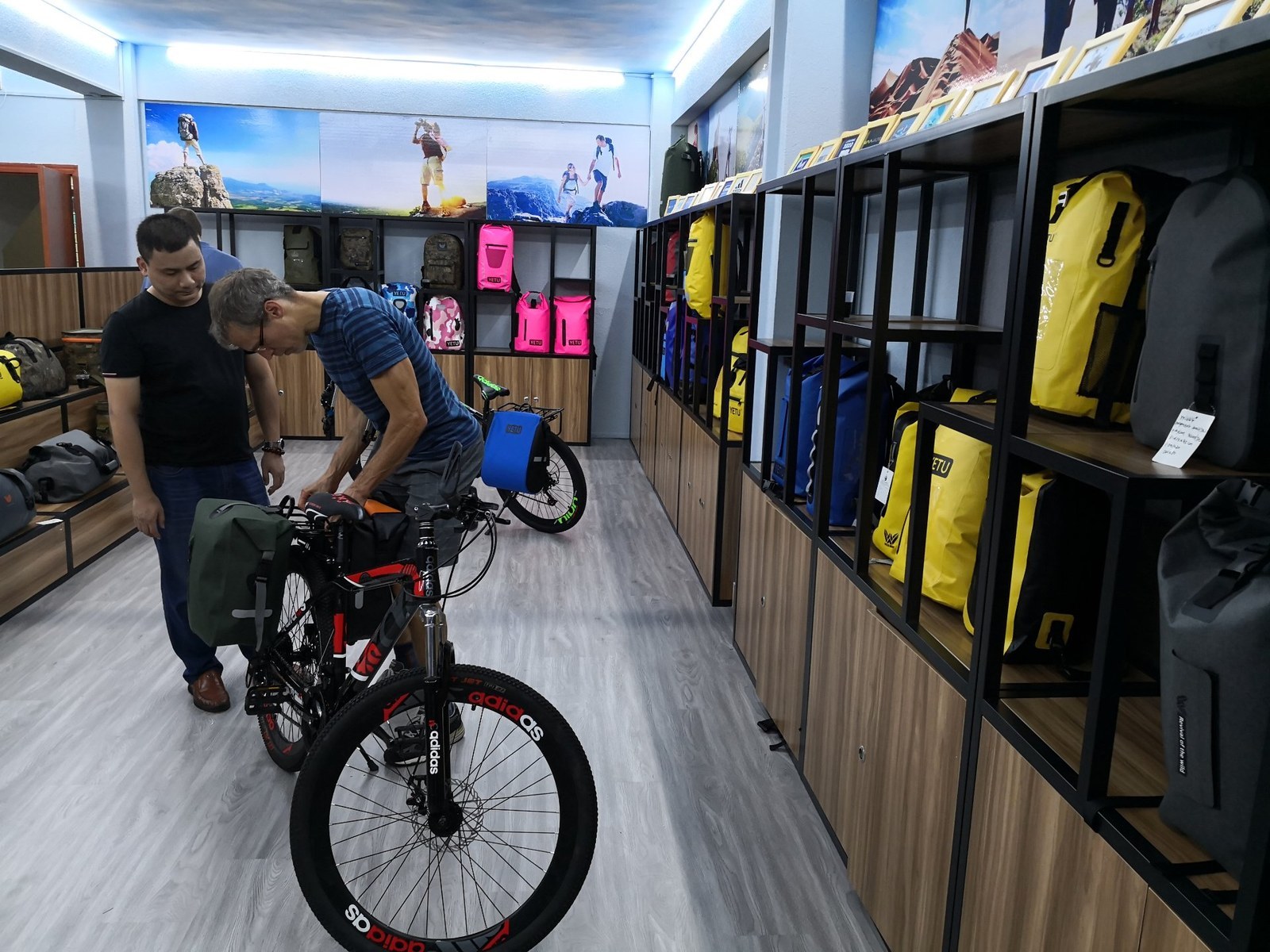
With Bernie we focused on hardware and tools booths that could complement his factory-sourced lines, collected vendor quotations for cross-checking against the factory prices we had just secured in Zhenjiang, and visited two manufacturers with showrooms in the market but production facilities nearby — a pattern you must verify, because market booths without factories are trading companies in disguise.
Days 7–8: Electronics in Shenzhen and the Wrap-Up
The final leg took us back to Shenzhen, where the trip had started. Days 7 and 8 covered the electronics side: phone and computer accessories suppliers, a semiconductor components vendor, and the machinery factory Bernie has been sourcing from since 2019. Shenzhen's ecosystem is unmatched for speed — a design change discussed in the morning can be prototyped in the Huaqiangbei markets by the evening.
Day 8 closed with the wrap-up meeting: every supplier scored, every quotation compared, every follow-up action assigned with a deadline. Bernie flew home with a prioritized supplier list, negotiated price benchmarks, and a product roadmap for the next two quarters. Eight days, and a year of sourcing decisions de-risked.
What This Trip Actually Changed for Bernie's Business
Lower production cost
A qualified local precision tooling source was identified to replace imported US tooling — the single biggest lever on the unit cost of his hand file line.
Real negotiating leverage
Two competing diamond coating suppliers quoted the same specification within 24 hours, giving clear price benchmarks instead of guesswork.
Trust that pays back later
Face-to-face meetings put Bernie's orders at the front of the queue during peak season — a quiet advantage that never shows up in any quotation.
Faster decisions
Engineering details settled across a table in minutes replaced weeks of back-and-forth emails and misread drawings.
Lessons From 18+ Years of Sourcing Trips
Every trip teaches something. After nearly two decades of these journeys, a few rules have proven themselves over and over:
- Group suppliers by region before you plan anything — geography, not enthusiasm, should shape the itinerary.
- Always get two qualified suppliers per critical component. Single-sourcing feels safe until your factory has a problem.
- Talk to every shortlisted supplier before you fly; some will simply never reply, and it is better to learn that at home.
- Verify market showrooms against real factories — ask to see production, not just sample rooms.
- Leave reference samples and get written trial-run commitments with dates before you leave the factory.
- Balance business with culture. The dinner table is where long-term Chinese supplier relationships are actually built.
How to Plan Your Own Factory Sourcing Trip
| Step | What to do | Timing |
|---|---|---|
| 1. Define your goal | List products, target prices and must-visit suppliers | 8–12 weeks before |
| 2. Screen suppliers | Verify business licenses, export experience and responsiveness | 6–8 weeks before |
| 3. Build the route | Cluster factories by province; book trains and hotels | 4–6 weeks before |
| 4. Prep documents | Drawings, reference samples, NDA where needed, visa | 2–4 weeks before |
| 5. Execute and record | Meeting notes, photos, scored supplier evaluations daily | During the trip |
| 6. Follow up fast | Confirm quotations, trial runs and action items within 1 week | After the trip |
FAQ: Sourcing Trips to China
How many factories can you realistically visit in one day?
Two to three when they are in the same industrial cluster, as our Zhenjiang day shows. More than three means rushed meetings and missed details.
Do I need to speak Chinese to visit suppliers?
No. An interpreter or a local sourcing team handles technical discussions, and written meeting notes in both languages prevent misunderstandings later.
What is the best time of year for a sourcing trip?
Avoid Chinese New Year (factories close for 2–3 weeks) and the October Golden Week. Spring and autumn offer the best factory availability and travel weather.
Is visiting factories worth the cost for small buyers?
If a single order exceeds roughly USD 10,000 or the product is technically demanding, one trip typically pays for itself through better pricing and avoided quality mistakes.
Can a sourcing agent arrange the whole trip?
Yes. A local team builds the schedule, books transport and hotels, interprets in meetings, and keeps the follow-up moving after you fly home.
Sources & Further Reading
Market figures and industry facts in this article draw on publicly available data and established industry practice, cross-checked against our own sourcing operations:
- Zhenjiang Municipal Government (2024): hardware tool industry designation and export share data for Danyang/Danbei.
- Yiwu International Trade City market statistics (2024–2025): market area, booth count, product categories and buyer origins.
- Standard China factory-audit checklists used across the third-party inspection industry.
- 18+ years of RND Sourcing trip records and client engagement history.
Regulations and market data shift — always confirm current requirements with the relevant authority before placing orders. To learn how we organize sourcing trips like Bernie's, visit yourchinagent.com.